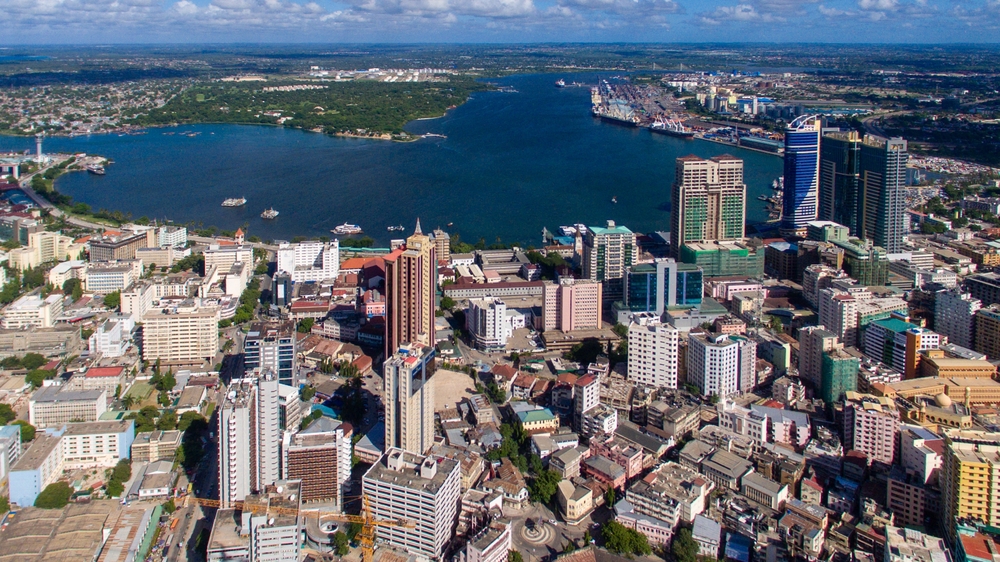
Dar es Salaam Isn't a Stopover. Stop Treating It Like One. Most people who come to Tanzania have already mentally moved on to Zanzibar before the plane lands. Dar es Salaam is the inconvenient bit in between, the airport, the traffic, one forgettable hotel night, the ferry terminal. That's the version people plan for. Then the city does something unexpected.
The harbour appears. Someone hands you a coconut at a street stall. You end up at a fish market at 6 AM watching boats unload the night's catch and suddenly the Zanzibar ferry feels less urgent than it did yesterday. Three days in Dar es Salaam isn't about seeing everything, and the places to visit in Dar es Salaam go well beyond what most first-timers put on their list. Stay long enough and you'll understand why people who come for two days end up staying five.
Day 1: The Fish Market Changes the Trip
Kivukoni fish market runs on its own clock. The boats come in through the early hours and by the time the sun starts doing anything serious the market is already at full volume. Buyers moving fast. Fresh catch laid out in rows. The smell of the Indian Ocean on absolutely everything. Nobody there is performing for tourists, this is the city's actual morning, happening whether you're watching or not.
Go before 8 AM. Earlier if you can manage it. The heat that builds by mid-morning makes the whole experience less enjoyable and the best of the catch is already sold by then anyway. Walk from Kivukoni along the harbour afterward, the waterfront in the early morning, before the traffic gets going, is when Dar es Salaam looks most like itself.
The National Museum on Shaaban Robert Street sits a short distance from the harbour. Tanzania's history, the Olduvai Gorge fossil finds, human remains discovered here that predate almost everything else found anywhere. Give it a proper morning rather than a rushed hour. The air conditioning in the main galleries is not a minor consideration, by 11 AM outside you will appreciate it more than you expect to.
Kariakoo Market is the largest market in East Africa and it feels like it. Produce, textiles, spices, hardware, clothing, food, all of it happening simultaneously in a space that rewards paying attention and punishes inattention equally. Go with someone who knows it if that's possible. If not, hold your bag properly and move slowly. The food stalls around the edges are where lunch actually happens in this city. Not in hotel restaurants. Here.
The Slipway on the Msasani Peninsula is the evening version of Dar es Salaam, waterfront restaurants, dhow boats visible from the tables, the Indian Ocean catching the last of the light. Order the seafood. Grilled fish, prawns, octopus prepared the way the coast does it. This is not a restaurant recommendation to weigh against other options. Just order the seafood.
Day 2: Bongoyo Island, Go Before You Leave
The dhow ride from the Slipway to Bongoyo Island takes maybe twenty minutes. The island is uninhabited. Beach, clear water, coral reef close enough to reach without any equipment beyond a snorkel. There's a basic bar on the island but it's not the point, the point is the water and the quiet and the complete absence of anything requiring attention. Boats go in the morning and return in the afternoon. Bring food and water anyway.
A genuine warning: most people who spend a day on Bongoyo come back to the mainland and immediately extend their stay. If your schedule has no flexibility built into it this becomes a problem. The island has that effect on people and it's better to know that in advance.
The Village Museum on Bagamoyo Road fits well into an afternoon after Bongoyo, traditional homesteads from different Tanzanian ethnic groups, built to original specifications rather than reconstructed for display purposes. Two hours at a slow pace. Educational without the passive museum feeling that usually comes with that word.
After dark the night food markets near Msikiti wa Mwanakweupe are where the food budget should go. Zanzibar pizza, which is a stuffed crepe and not actual pizza despite what the name suggests, is the specific thing to find. Ugali. Nyama choma. Fresh coconut water from the roadside sellers who have been there since before the restaurants opened. Eat here, not in the hotel.
Day 3: Bagamoyo Needs a Full Day
75 kilometers north. An hour and a half by road on a clear run, longer if the timing is wrong. Bagamoyo was one of the most significant towns on the East African coast during the Arab slave trade era and the old town carries that history in its bones, German colonial buildings still standing, the Catholic mission, the slave trade memorial, a beach running the length of the town. A UNESCO tentative World Heritage Site that feels less managed than that designation usually implies.
Half a day doesn't cover it. Full day, early start. Drive back along the coastal road in the late afternoon, stop somewhere between Bagamoyo and Dar es Salaam for grilled fish before the last stretch back. The light on that coastal drive in the late afternoon is the kind of thing you photograph badly and remember accurately.
When people research places to visit in Dar es Salaam, Bagamoyo rarely makes the first page of results. It should. The drive north puts the city in a larger historical context that nothing inside the center quite manages, the coast, the trade routes, the colonial-era buildings that are still standing because nobody has gotten around to replacing them yet. Come back to the city in the evening with that in your head and Dar es Salaam reads differently than it did that morning.
Aura Suites: The Base That Doesn't Get in the Way
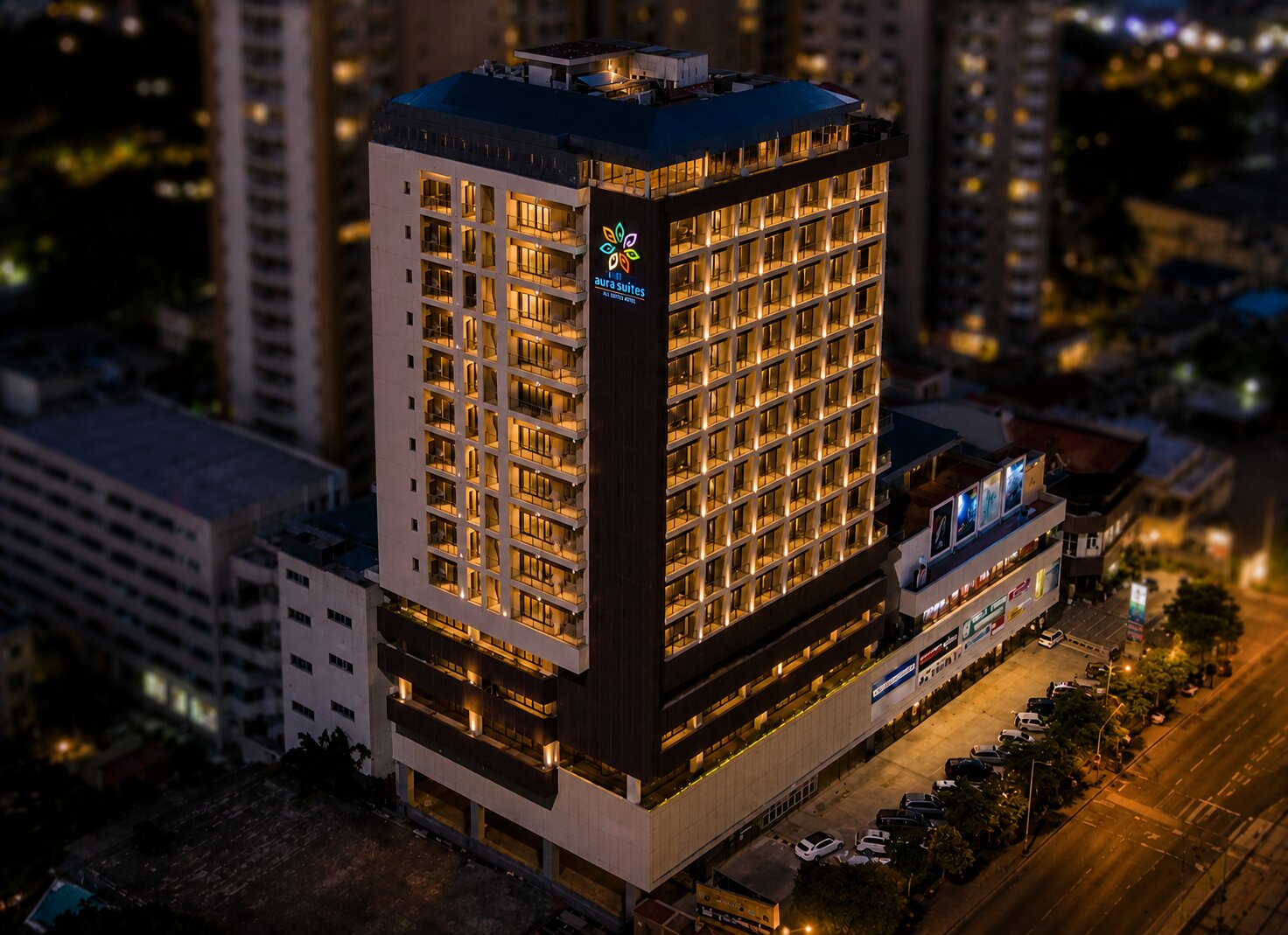
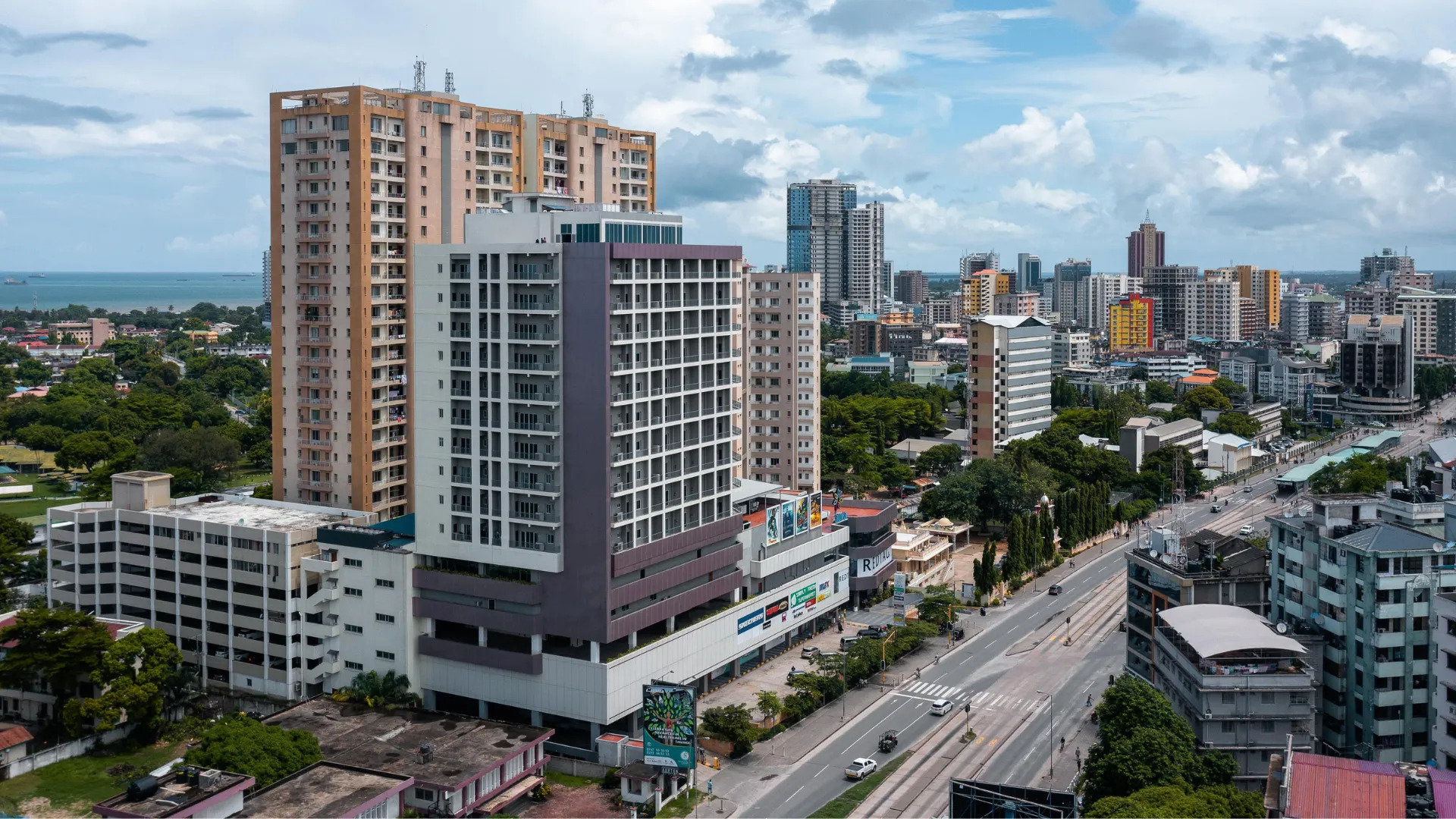
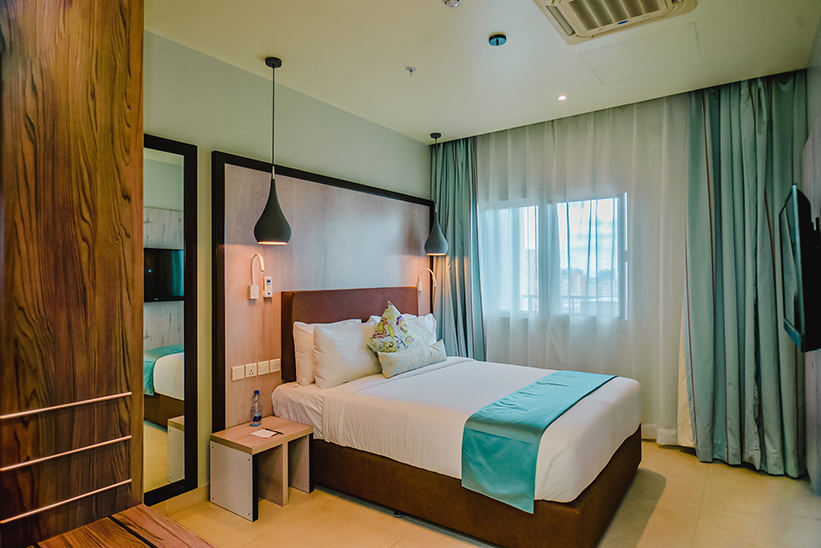
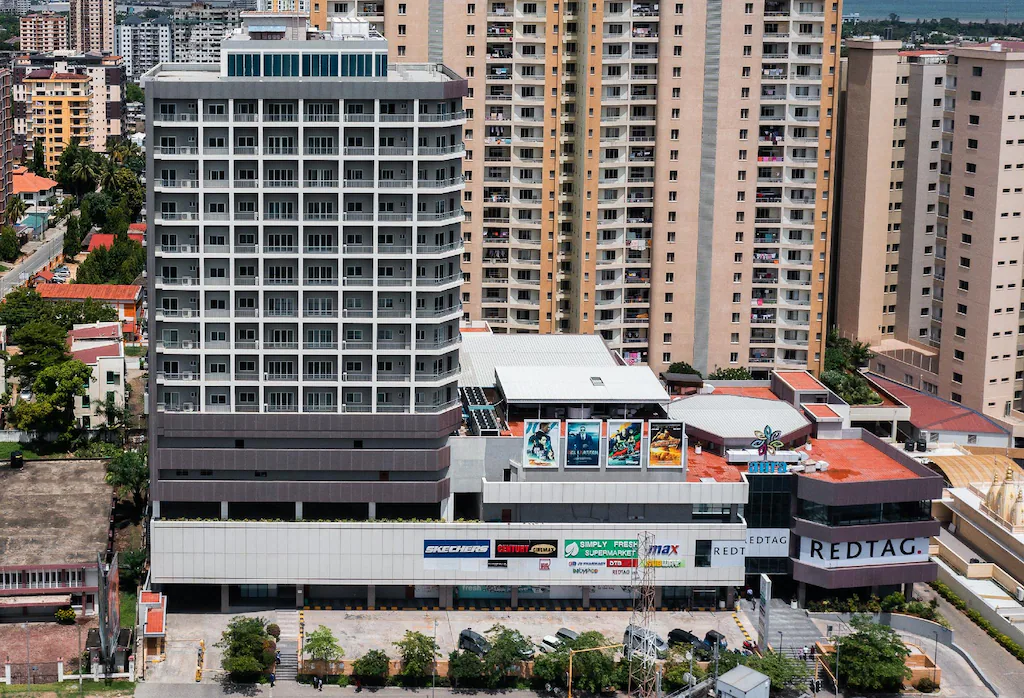
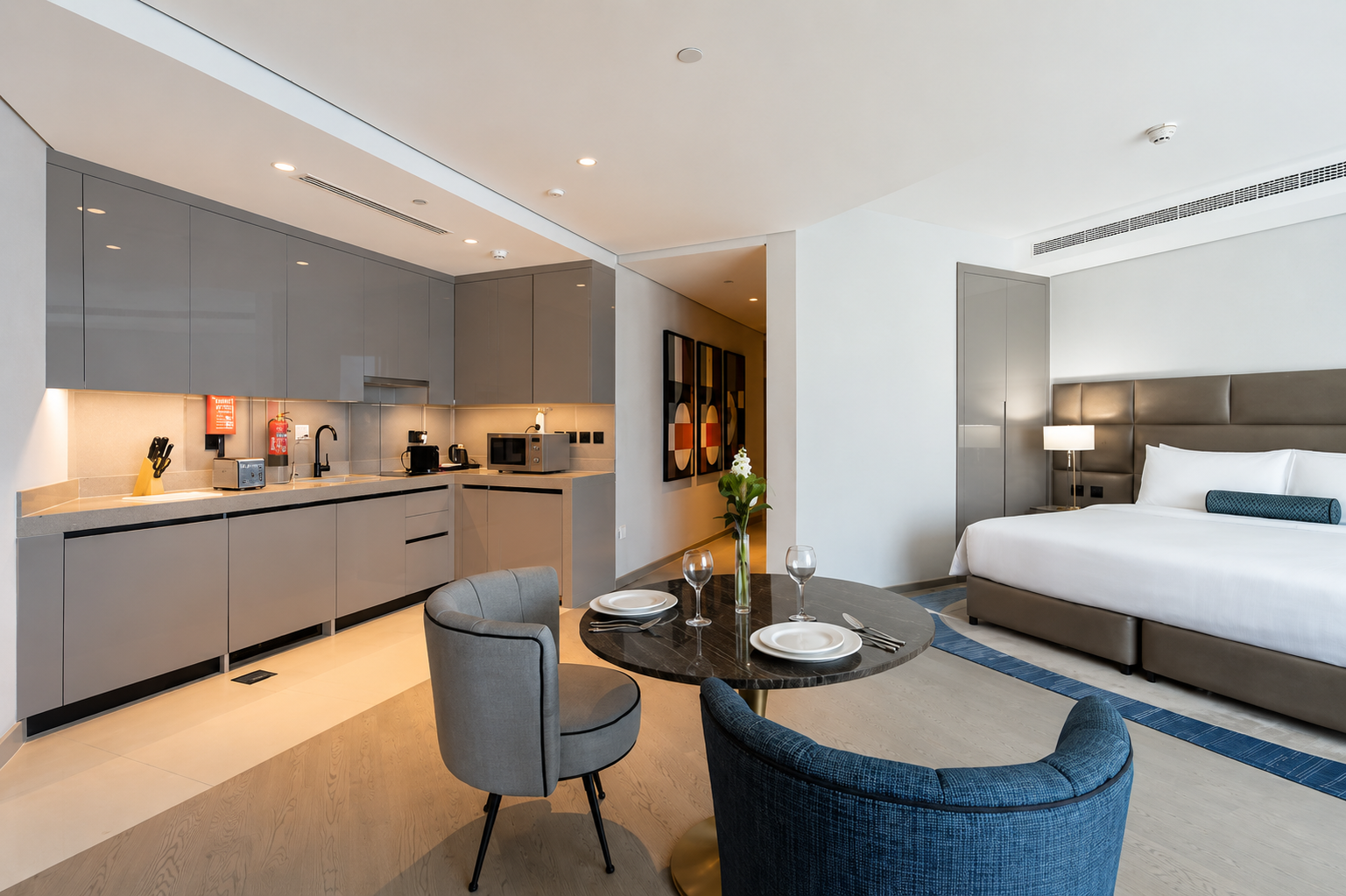
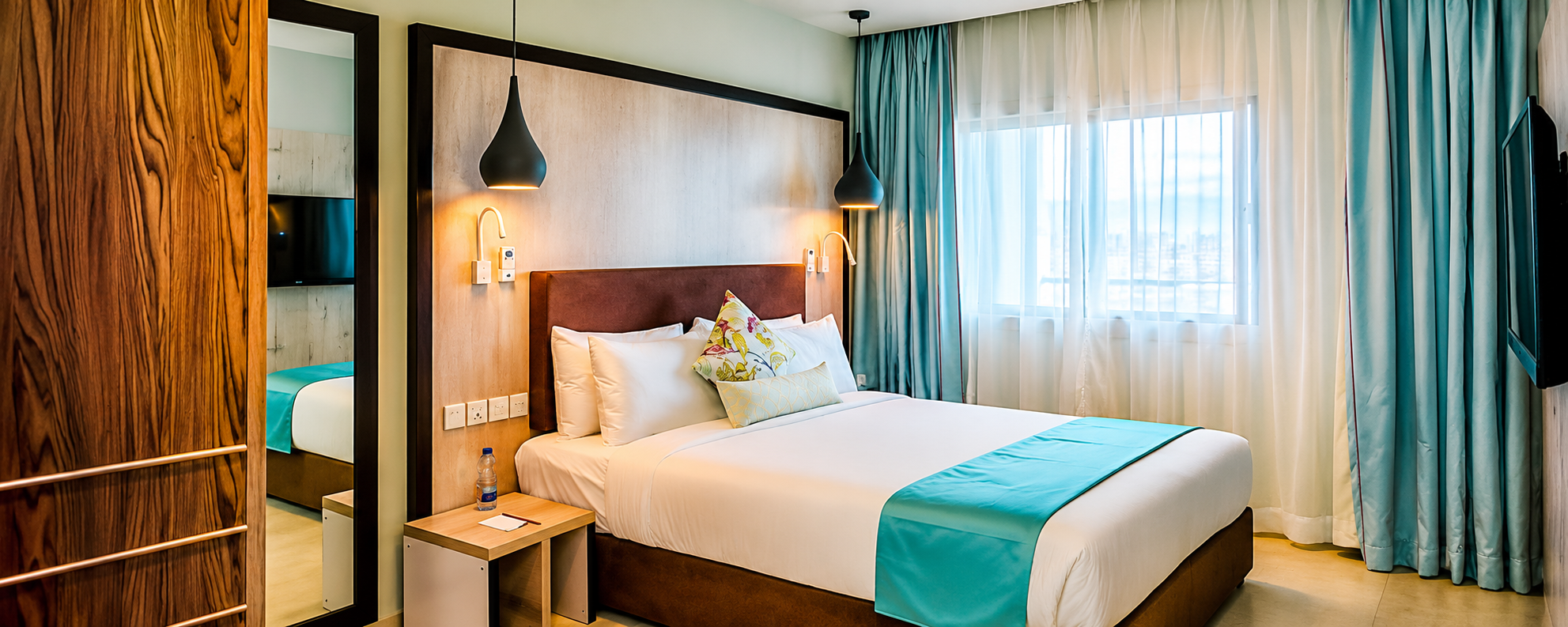
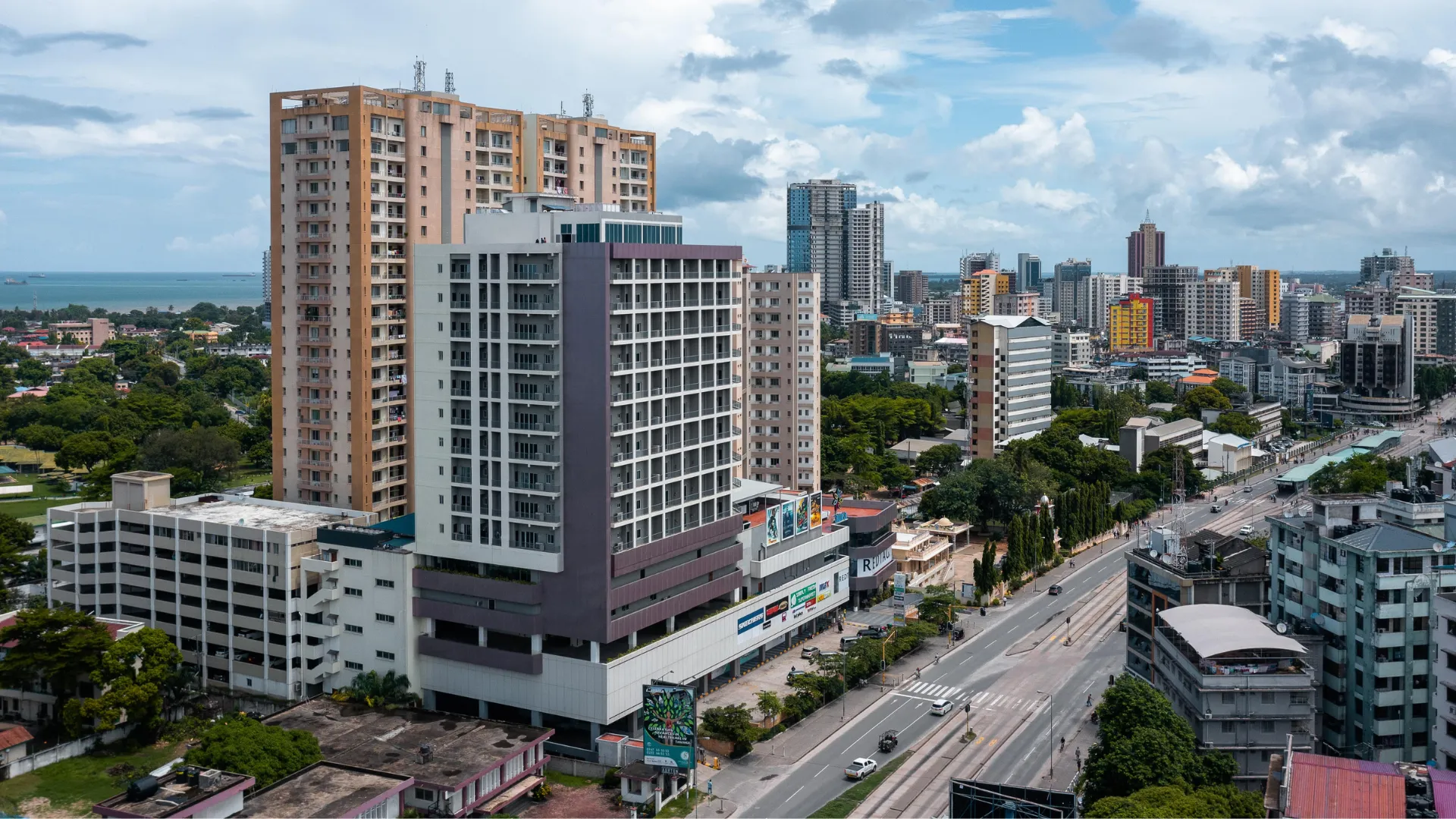
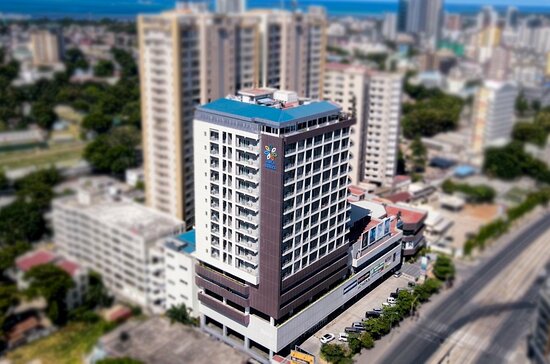
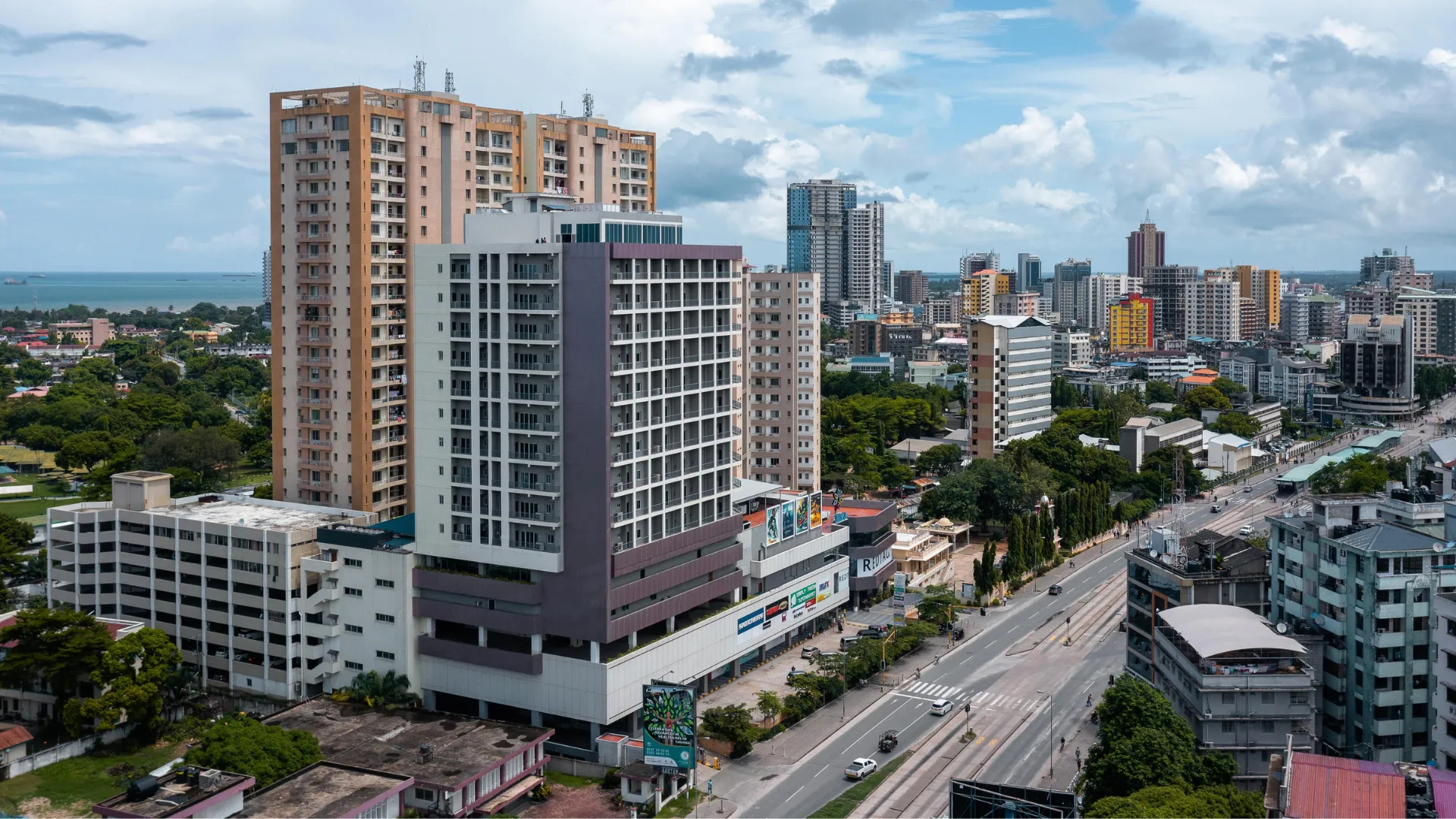
Three days in any city means the accommodation either works for you or quietly works against you. Aura Suites on Morogoro Road in Upanga works for you, specifically because it gives you an apartment rather than a room, and that difference accumulates over three days in ways that aren't obvious until you're living them.
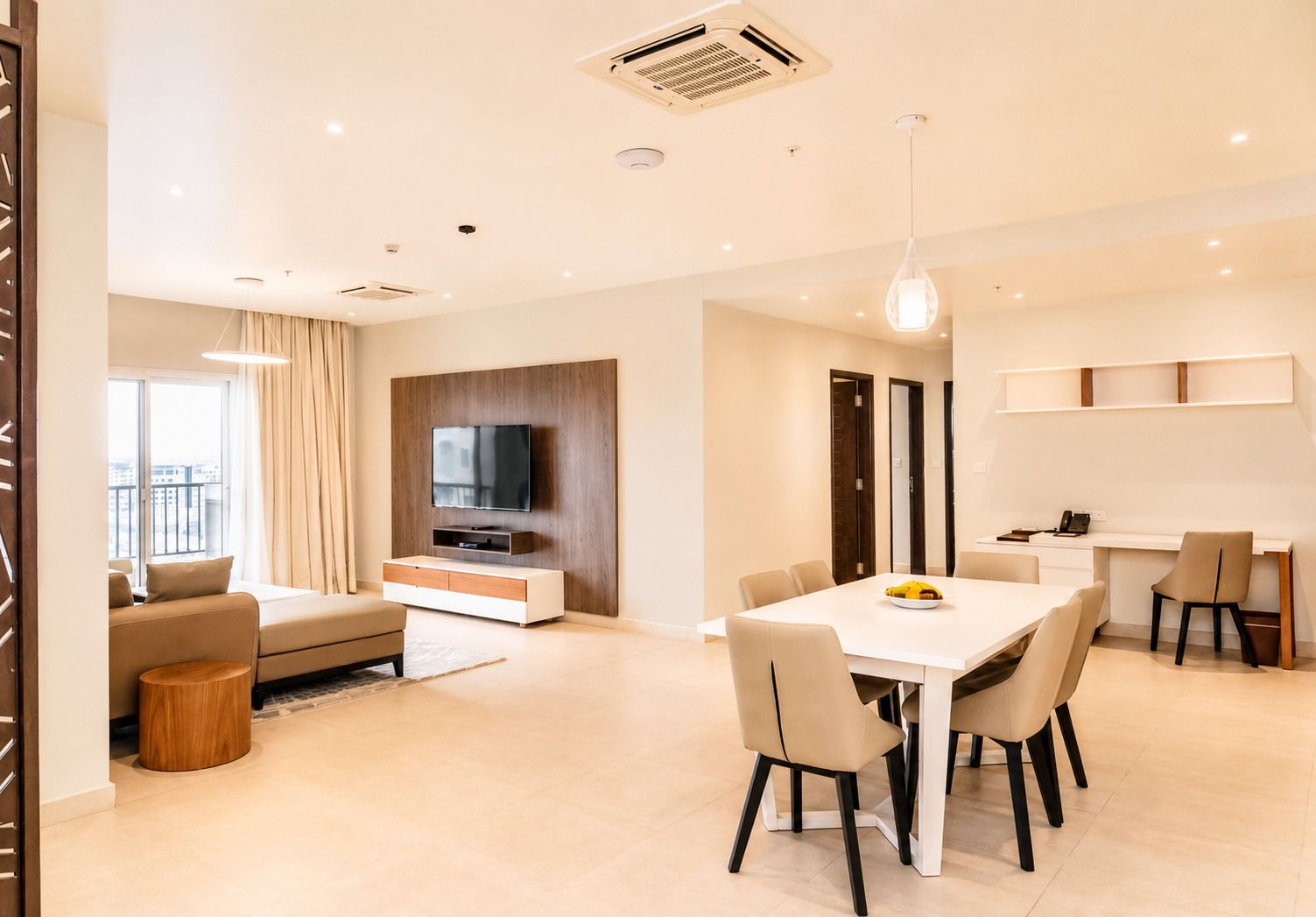
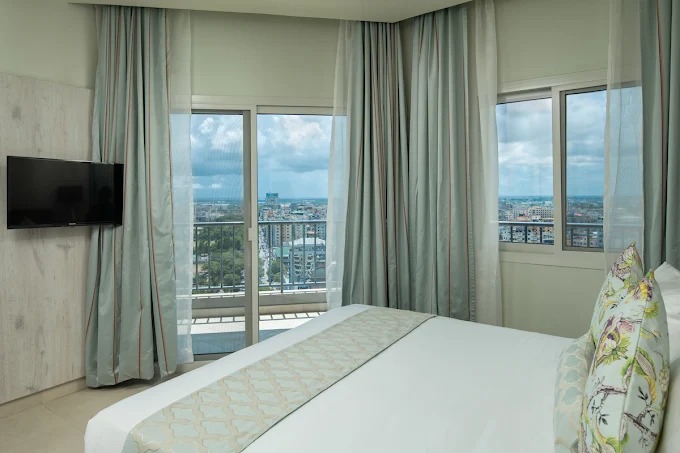
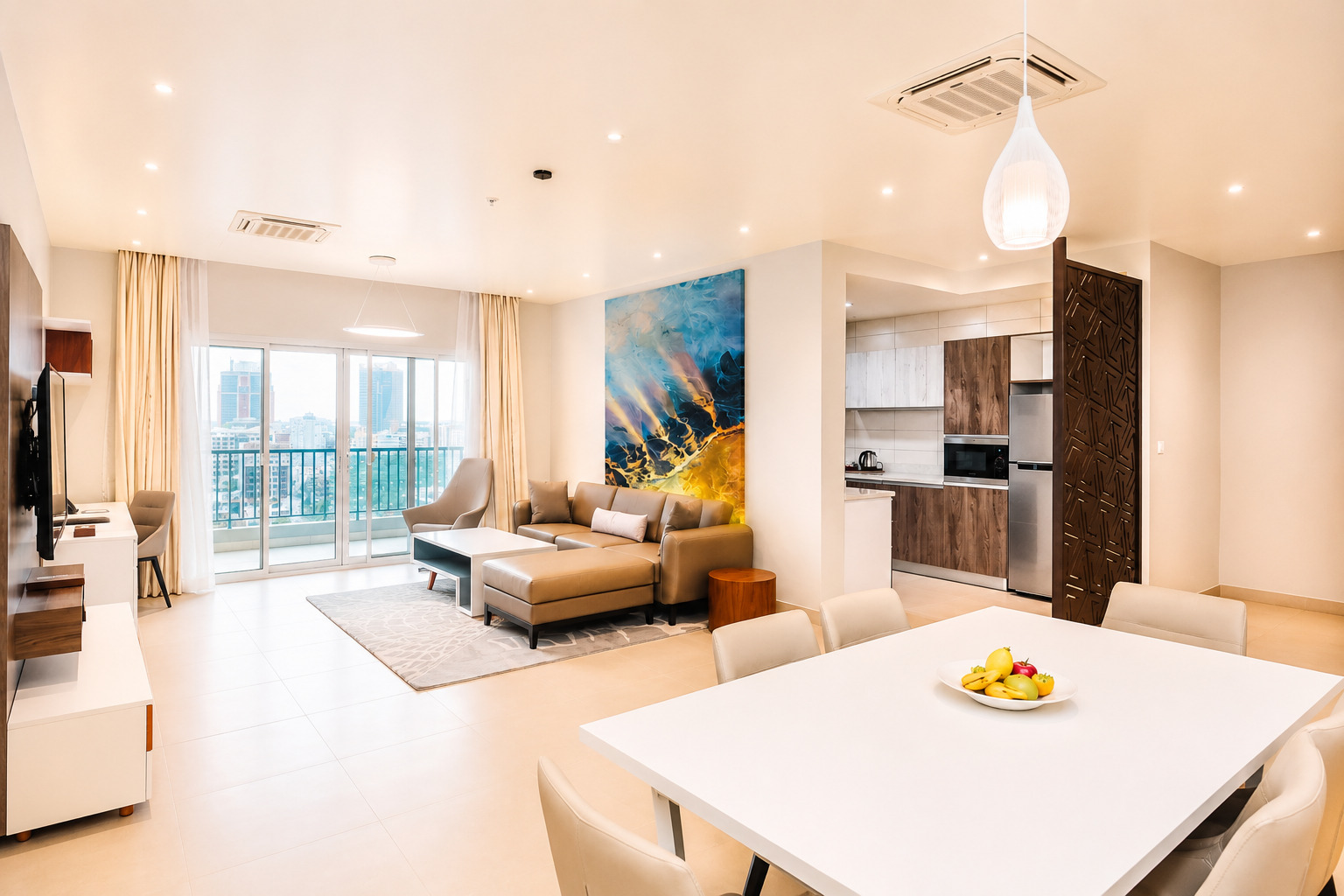
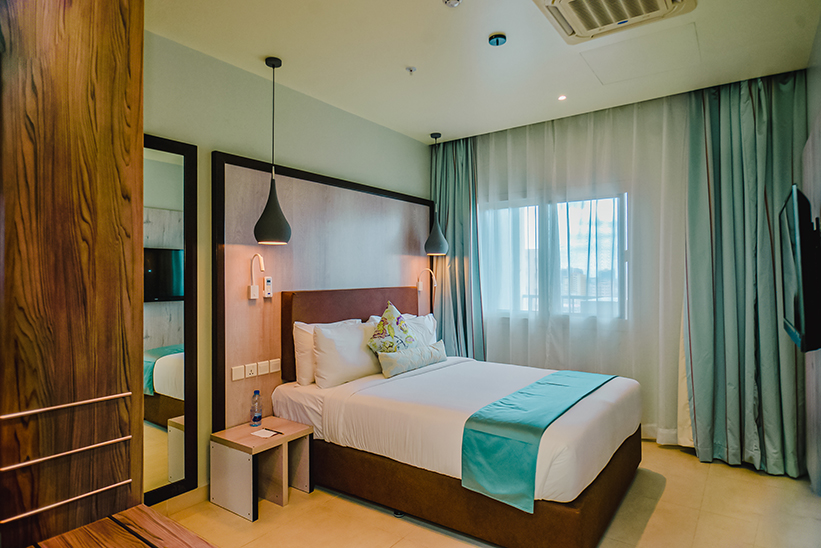
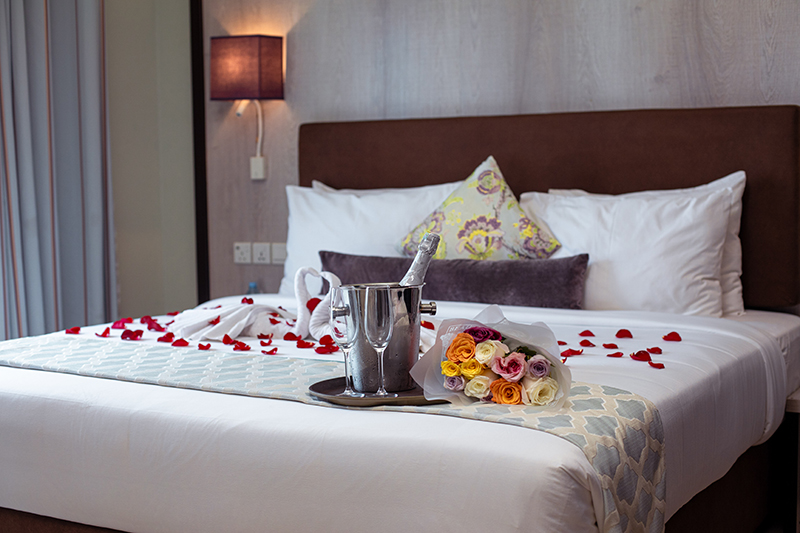
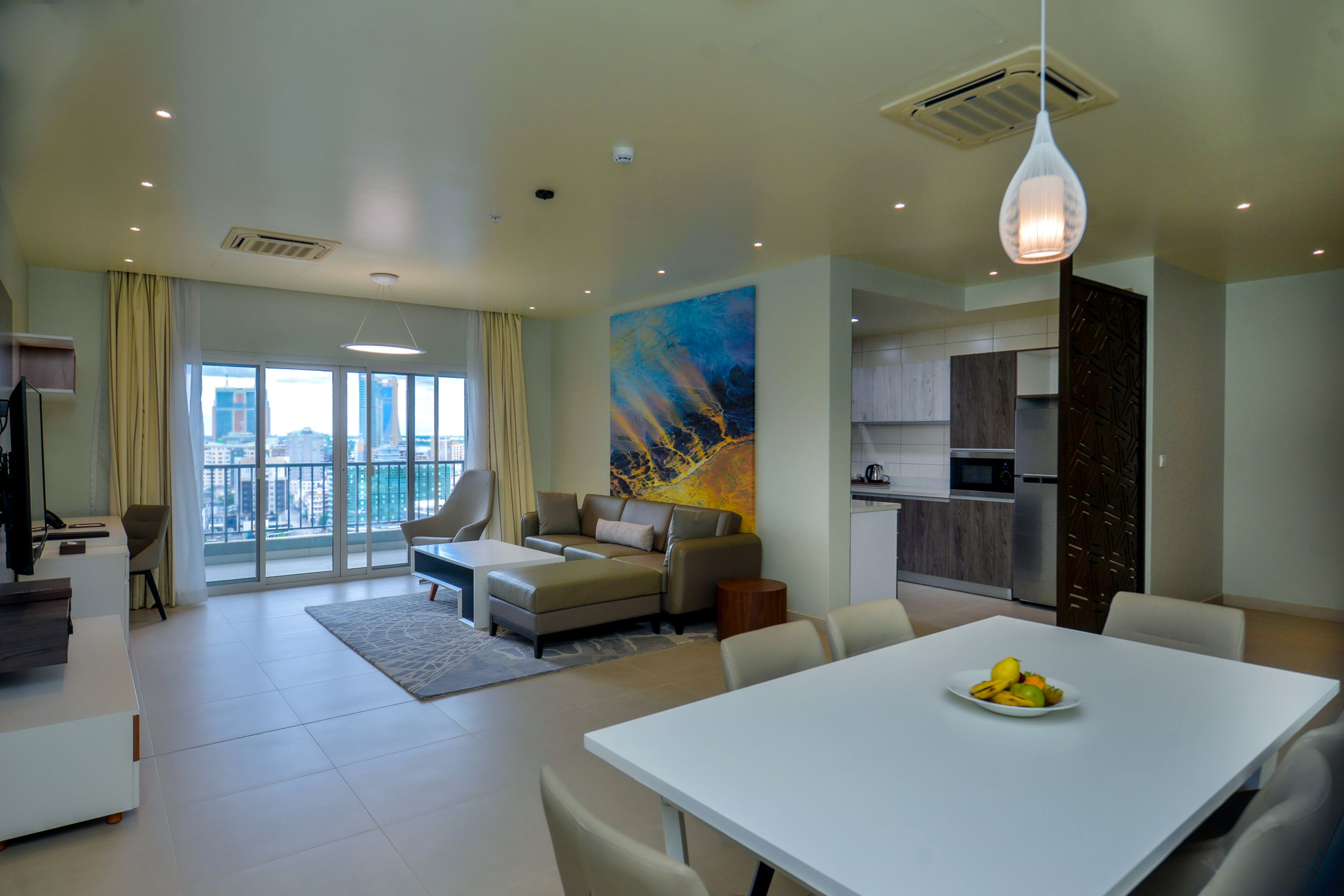
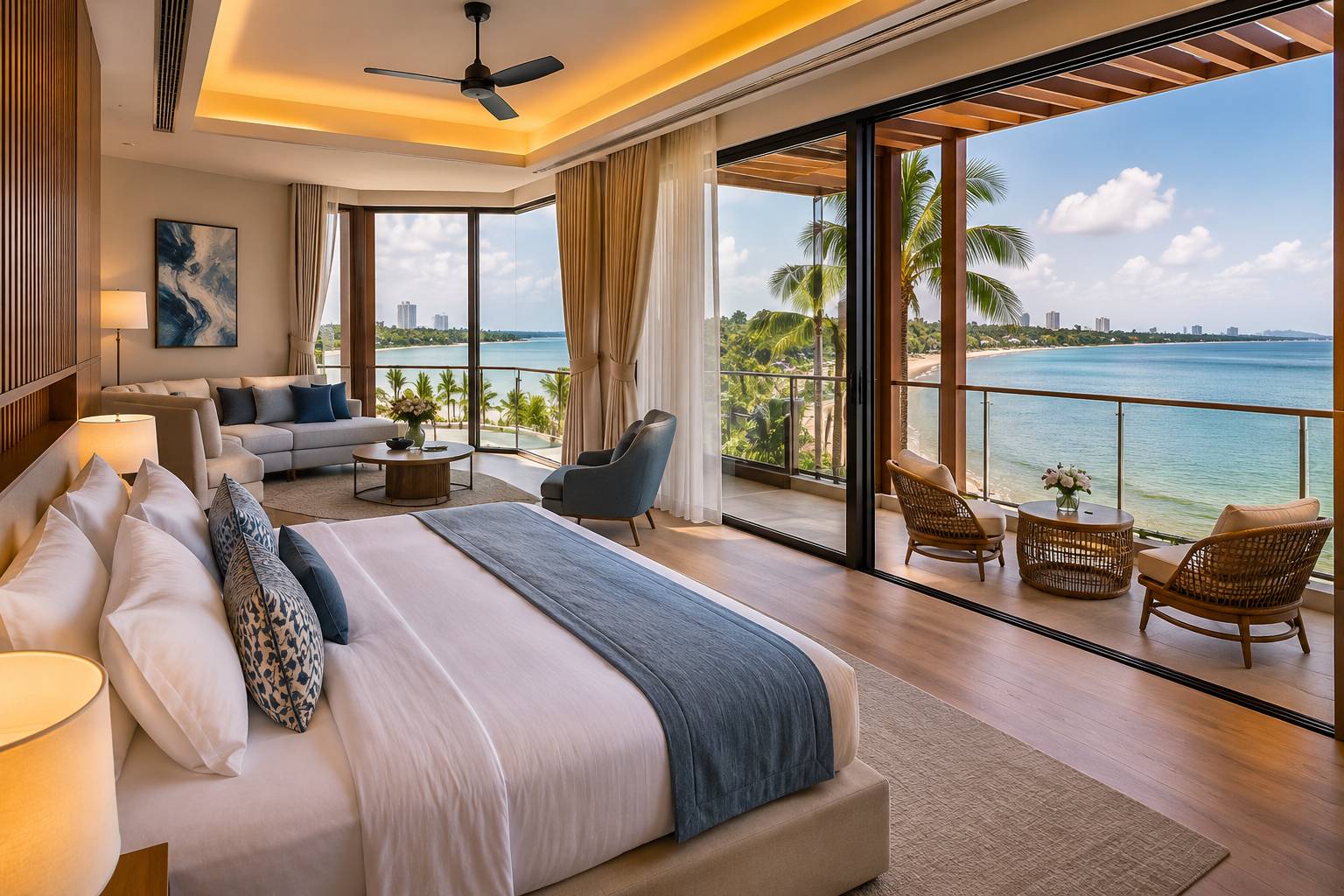
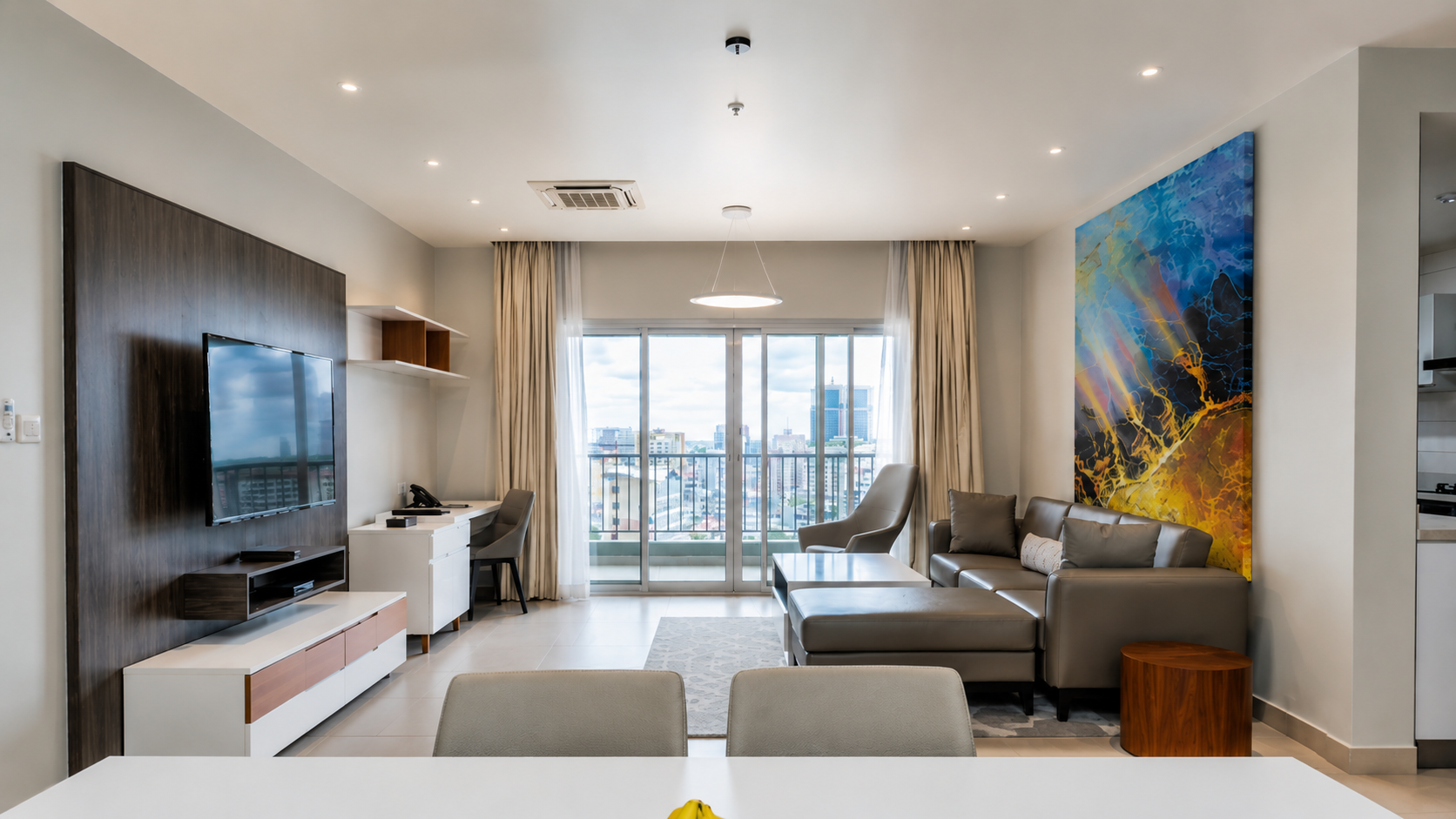
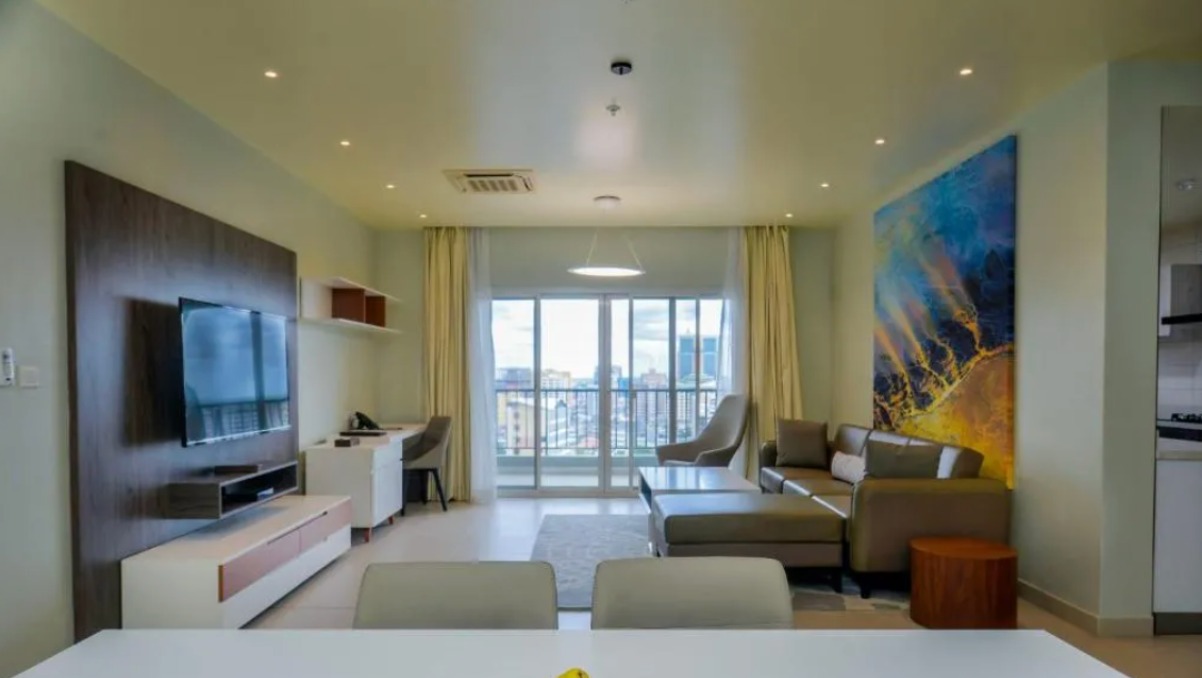
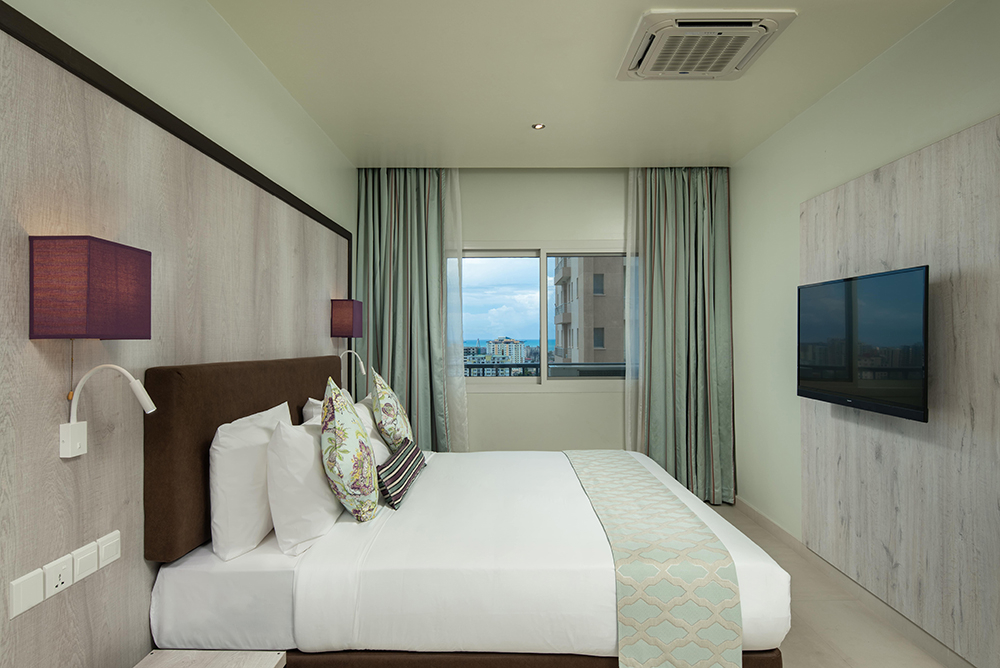
Seventy-odd suites. Deluxe runs 91 square meters. Club is 115 with two bedrooms. Platinum hits 151 with three. Each has a living room, dining area, bedroom, balcony in most, and a kitchen or kitchenette depending on which category you book. The kitchen means breakfast happens in the suite rather than a queue. The living room means the end of a long day has somewhere to go that isn't the same four walls as the bed. Families and groups get multi-bedroom configurations that give everyone actual space rather than everyone tolerating a standard room together.
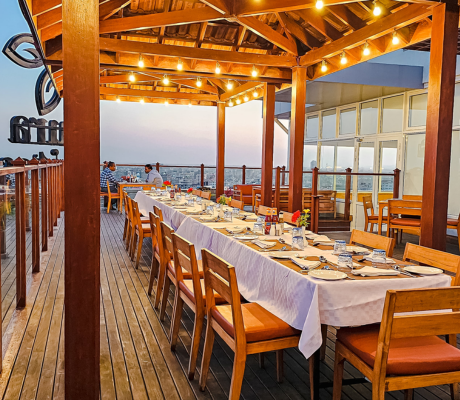
Kinaya sits on the 16th floor. Rooftop restaurant, city skyline after dark, Indian and Continental and Oriental and African cooking, interactive show kitchen, cocktails. Time one dinner there. Hotel restaurants are usually not worth mentioning specifically, this one is the exception.
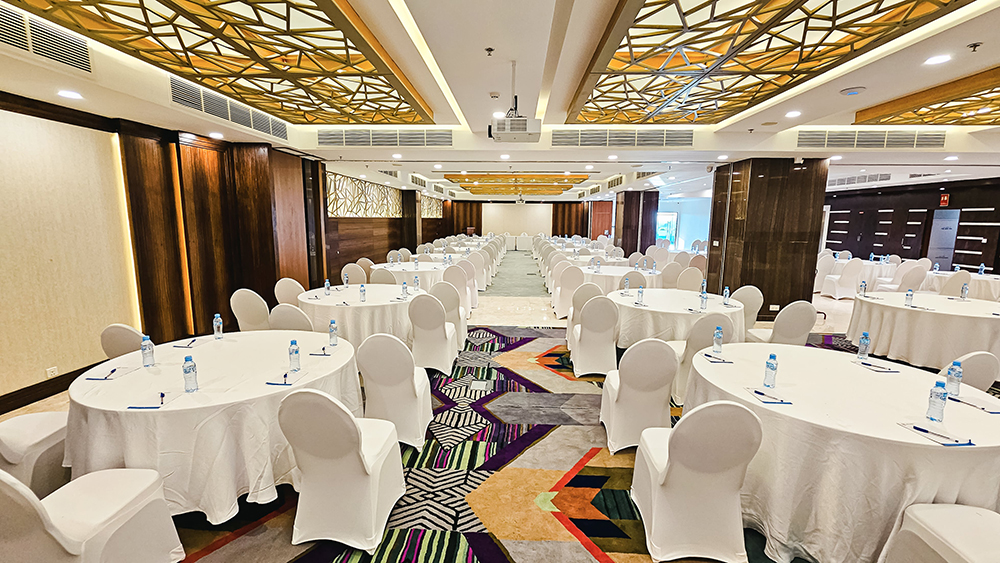
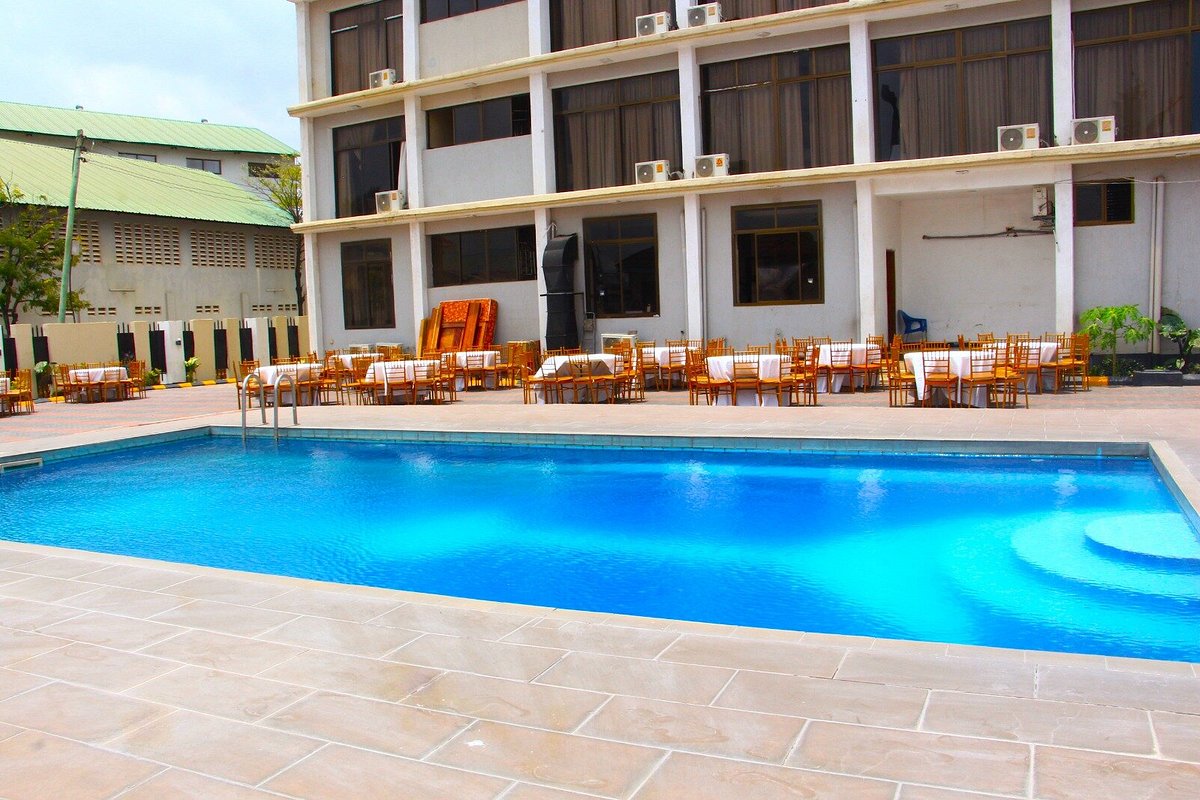
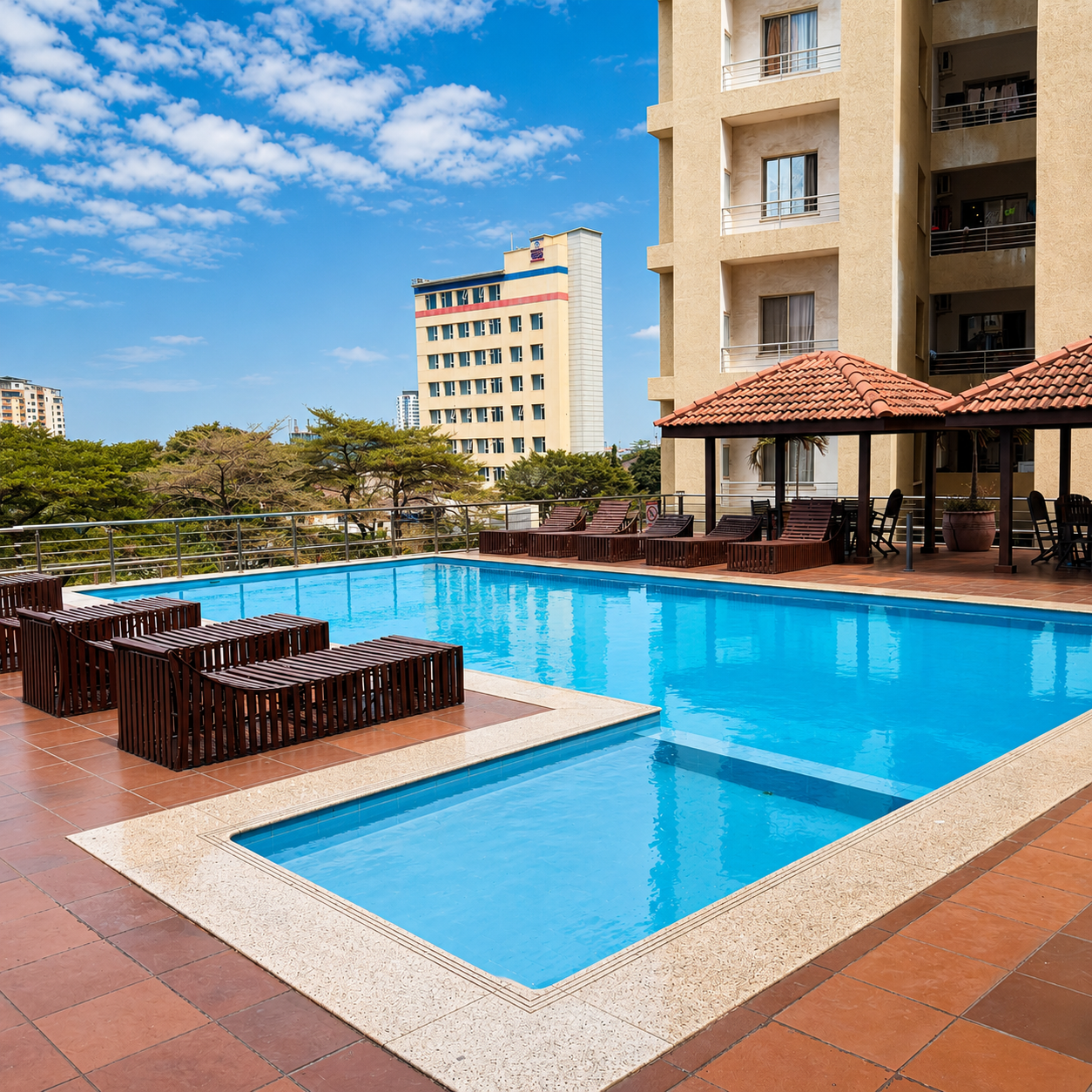
Pool, gym, kids play area, jogging track. Room service around the clock. The Orbit banquet space handles corporate meetings and private events for business travelers who need both a place to sleep and somewhere to hold a meeting without leaving the building. Morogoro Road keeps the business district and main attractions reachable without the traffic problem that comes with peripheral locations in this city.
Three Days Is the Minimum. Four Is Better.
The harbour market at dawn. A day on Bongoyo losing track of time in clear water. Night food stalls that cost less than a hotel breakfast and taste considerably better. The drive to Bagamoyo and back along the coast. Three days in Dar es Salaam covers the city at the pace it deserves, and the places to visit in Dar es Salaam reward exactly this kind of unhurried approach. Rush it and you'll leave thinking it was fine. Take your time and you'll leave trying to figure out when you can come back.
Zanzibar is 90 minutes by fast ferry from the harbour. Book ahead in peak season. This works as a standalone trip or as the mainland half of a longer Tanzania itinerary. Two days isn't enough. Three is the minimum. Most people who go for three wish they had planned for four.