Table of Contents
- The Hotel Room Problem Nobody Talks About Until Day Three
- What a Suite Actually Gives You That a Room Doesn't
- Luxury Suites in Dar es Salaam: Why the City Makes This Conversation Specific
- The Kitchen: The Single Amenity That Changes Everything
- Serviced Suites in Dar es Salaam: The Long Stay Argument
- Aura Suites
- FAQs
The Hotel Room Problem Nobody Talks About Until Day Three
The standard hotel room works for two nights. Everything is fine, the bed is made when you come back, the minibar is stocked, and the novelty of not dealing with any of it yourself hasn't worn off yet. By day three, something shifts. The desk that's technically there but positioned between the wardrobe and the television isn't really a workspace. The single space where you sleep and eat room service and take calls and watch television and try to decompress after a twelve-hour day in meetings is doing too many things at once and doing none of them particularly well.
This is not a complaint about hotel quality. It's about format. The standard hotel room was designed for the short stay. It was never designed for the week-long business trip, the family visit, the long-haul assignment. The suite was.
What a Suite Actually Gives You That a Room Doesn't
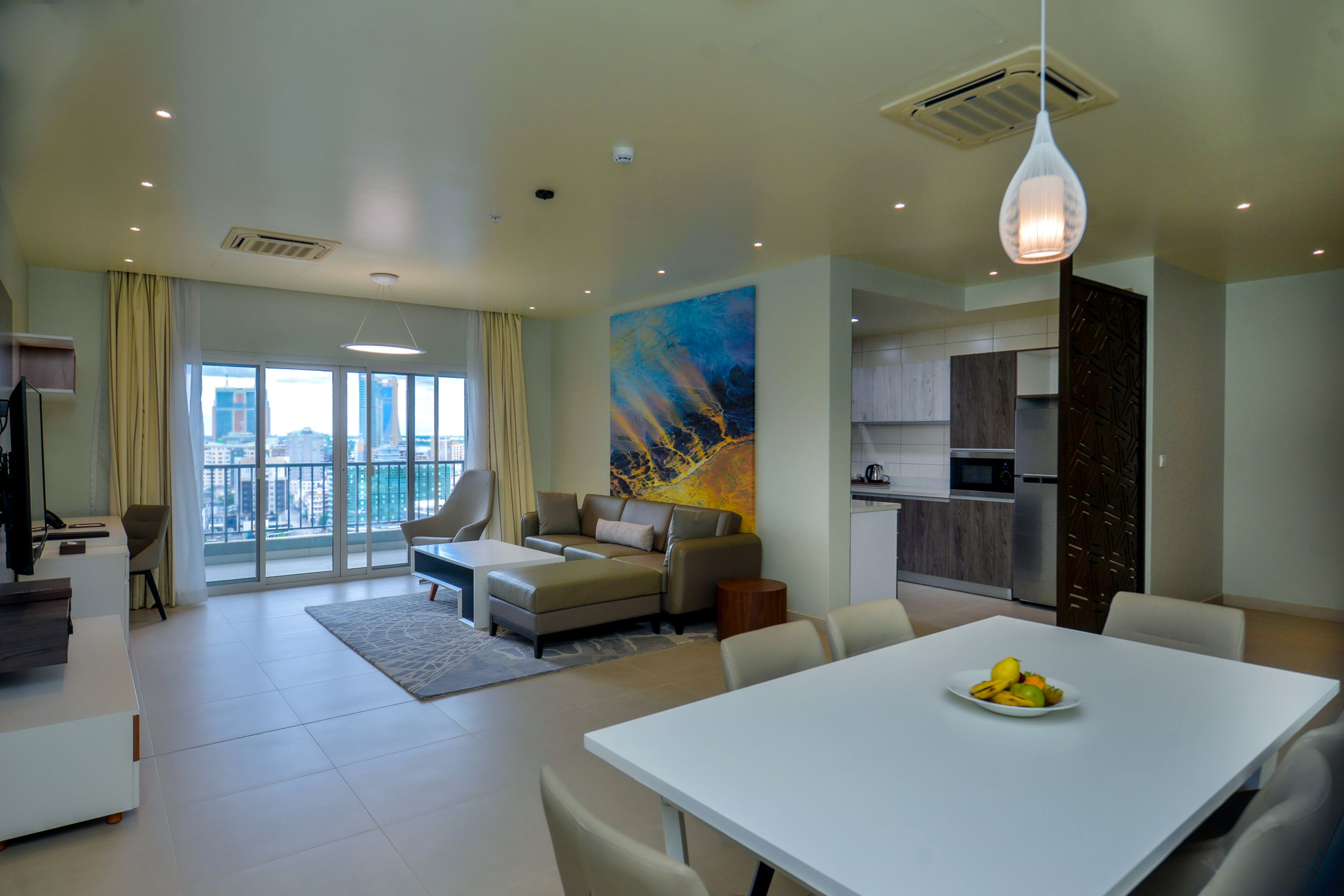
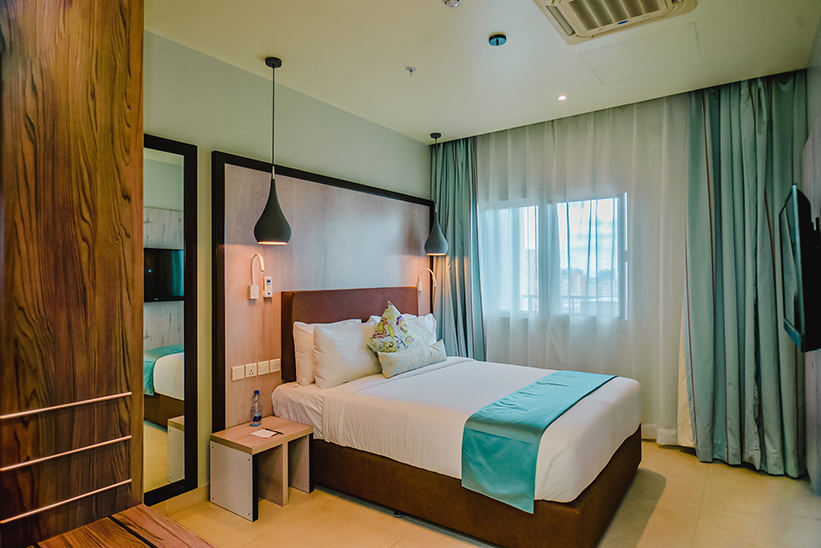
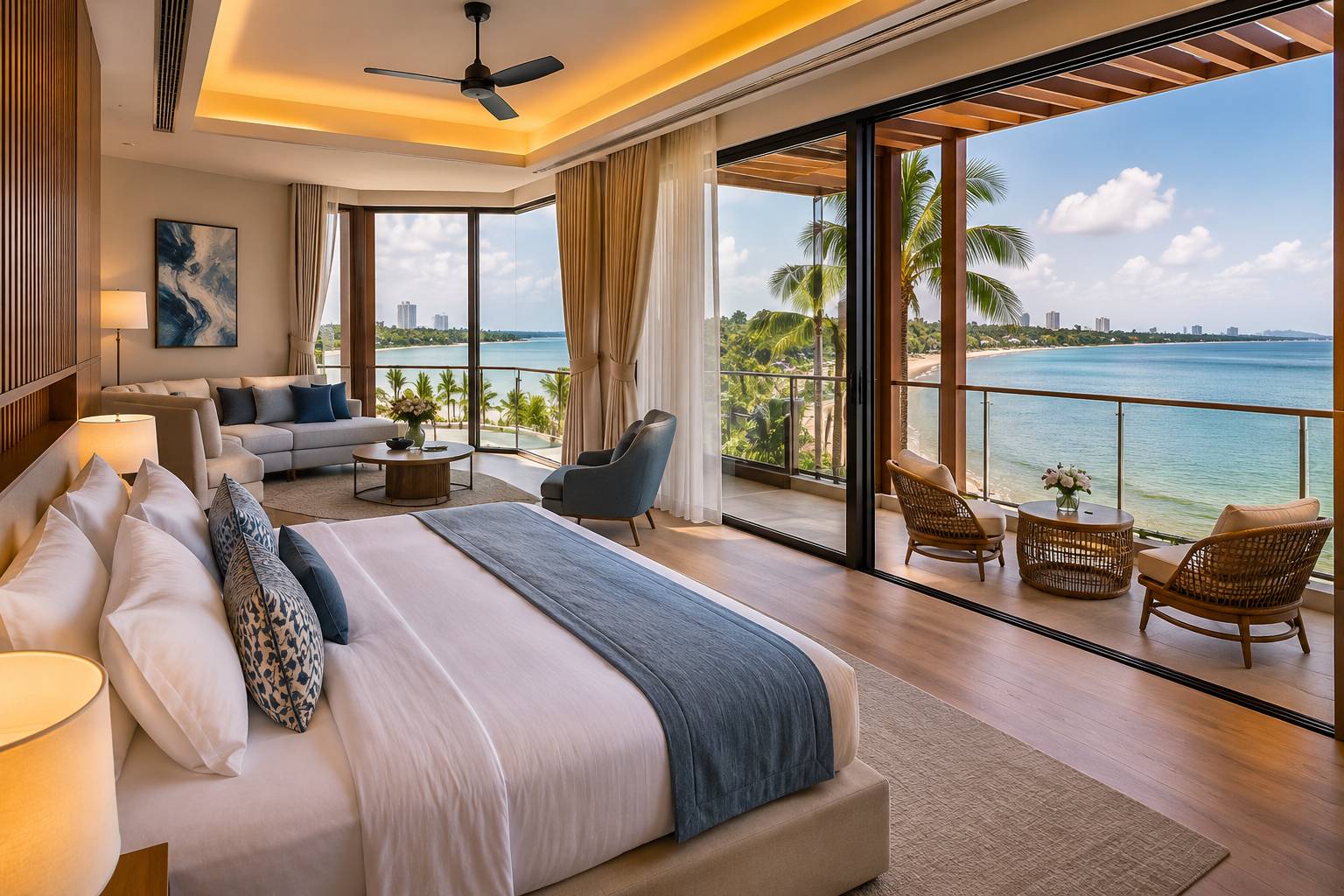
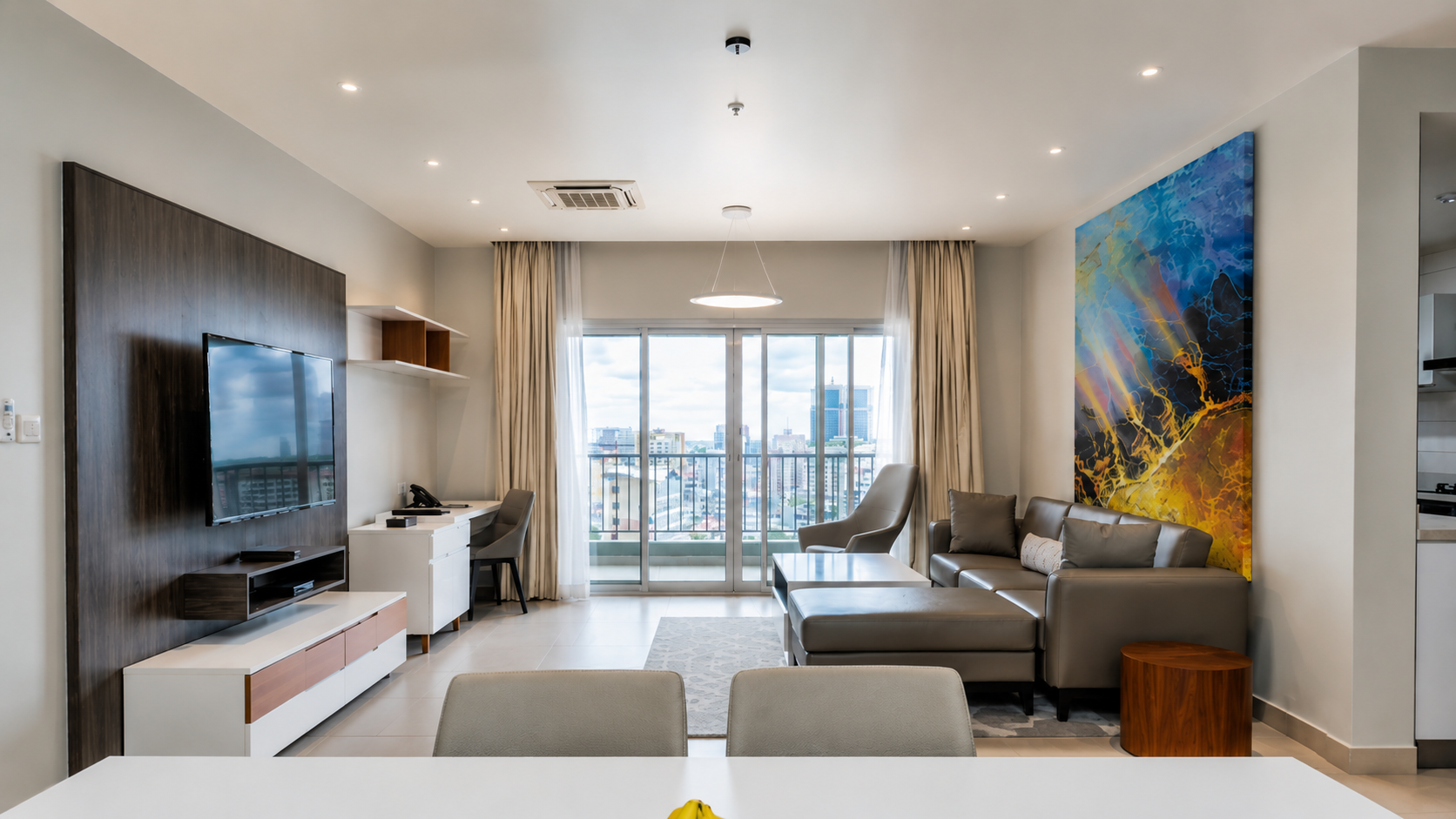
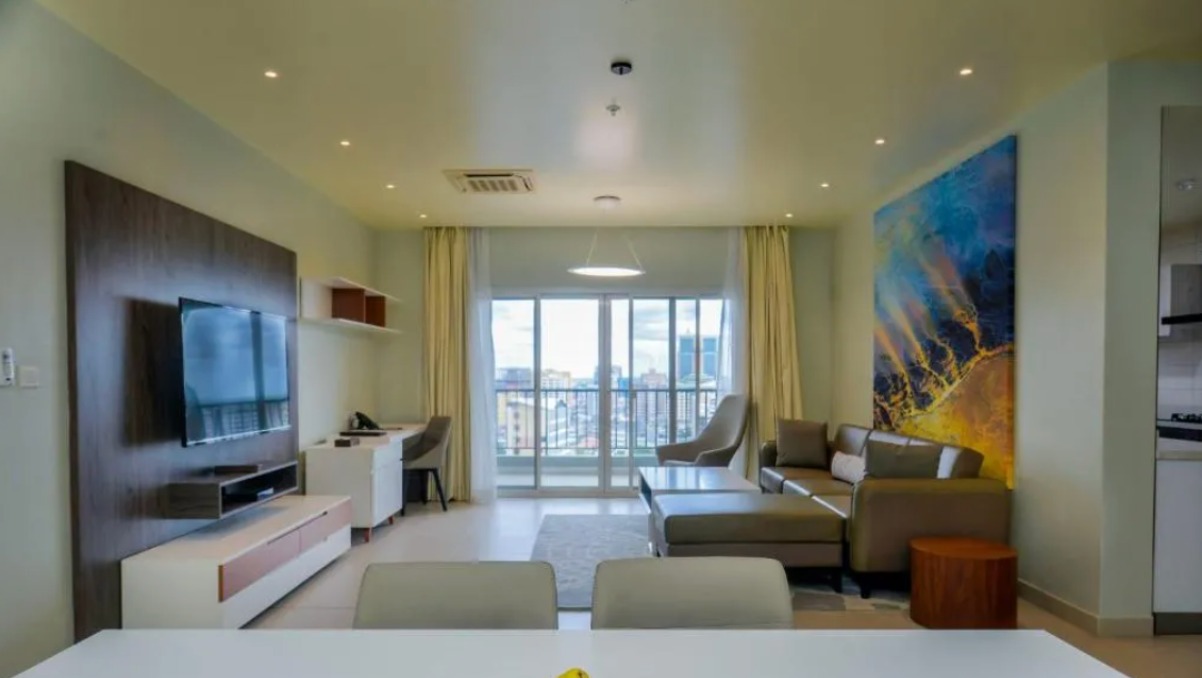
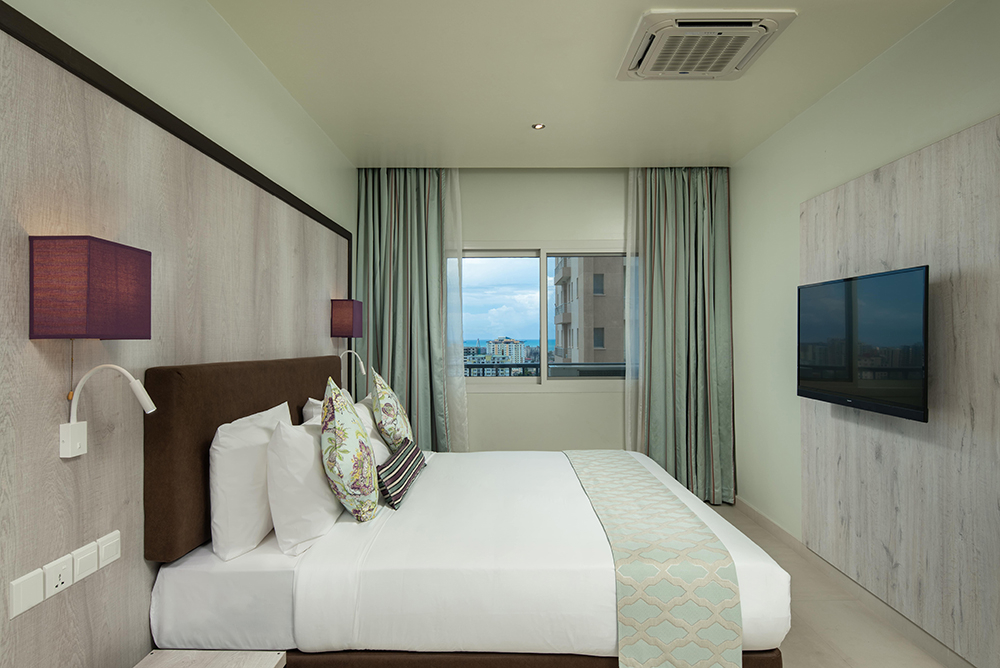
The separate living area is the first thing and the most important. When the bedroom is a different room from the sitting room, the working day has somewhere to end. The laptop closes in the living room. You walk through a door. The bedroom is the bedroom and nothing else happens there. This sounds like a small thing until you've spent five nights in a single hotel room where the boundary between work and rest never fully forms and you arrive home more tired than you left.
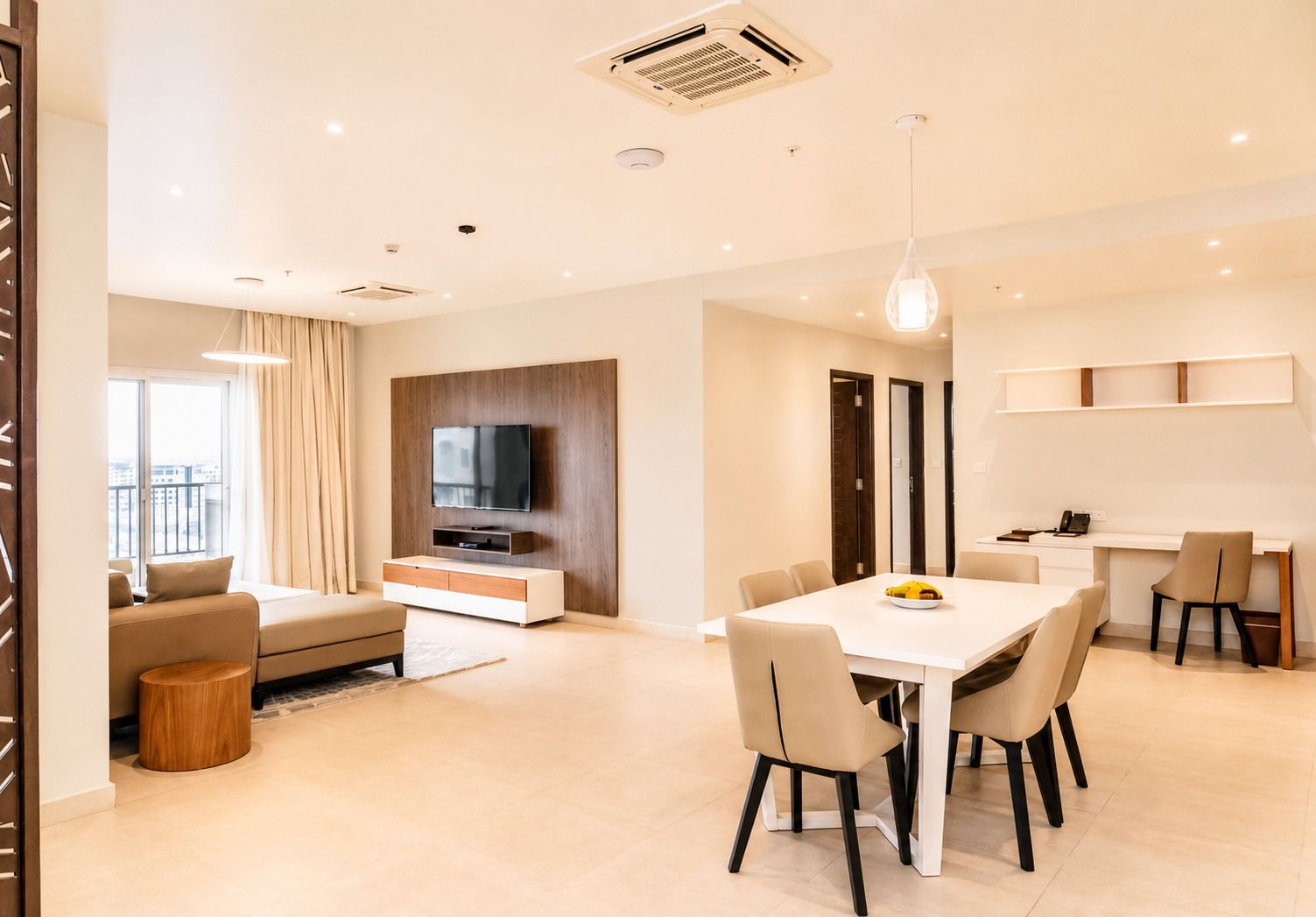
The proper desk in a suite is positioned for sustained work, full-sized, with natural light, not squeezed into a corner as an afterthought. The sofa that isn't the bed. The dining table where a meal can happen like an actual meal rather than balanced on a tray on the corner of the mattress. These are the structural differences between a room and a suite, and they compound across the length of the stay.
Luxury Suites in Dar es Salaam: Why the City Makes This Conversation Specific
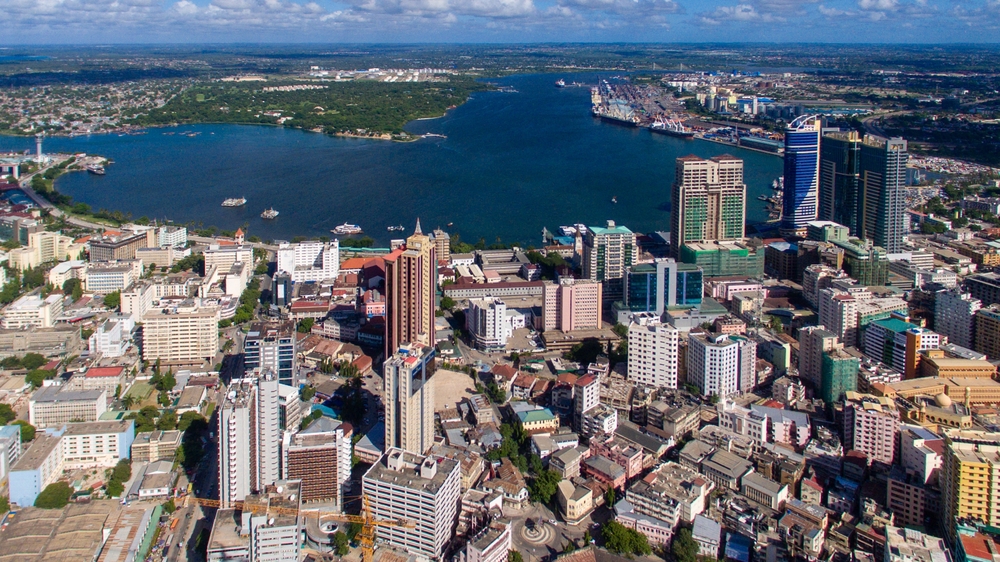
Dar es Salaam is East Africa's busiest commercial city. The professionals who arrive here, the consultants, the NGO staff, the executives managing regional operations, typically stay longer than a few nights. The assignment runs weeks. The relocation runs months. The standard hotel room that the booking page shows is not what the assignment actually requires, and the luxury suites in Dar es Salaam that give the professional the living room, the kitchen, and the space to actually be somewhere rather than occupying a room are the accommodation that matches the scale of what the trip actually involves.
Dar es Salaam also has the specific equatorial heat and humidity that make the indoor environment the place you want to be in the afternoon. A suite with a proper sitting area and a kitchen gives the post-meeting afternoon somewhere to happen. A standard room gives you the bed and the television.
The Kitchen: The Single Amenity That Changes Everything
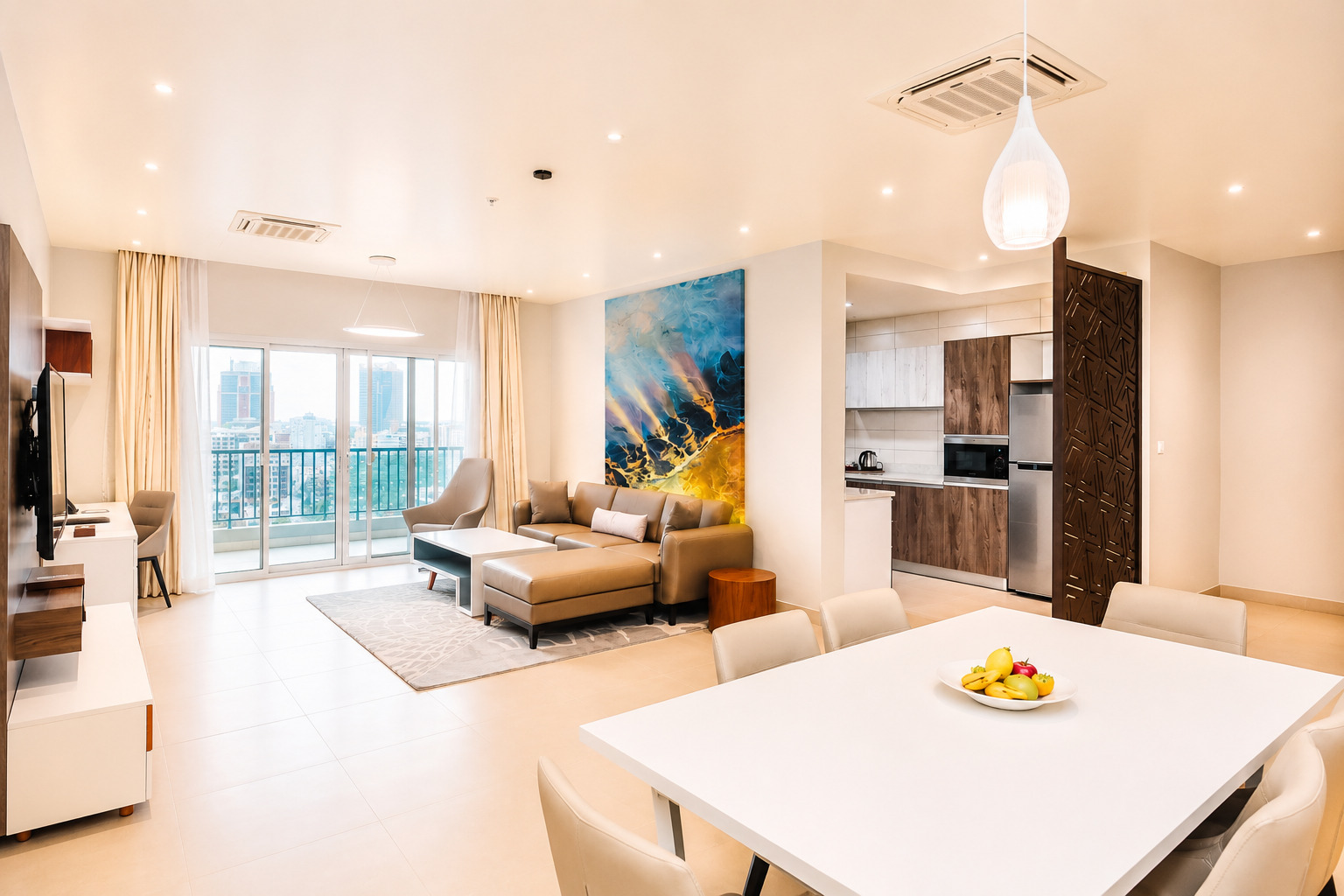
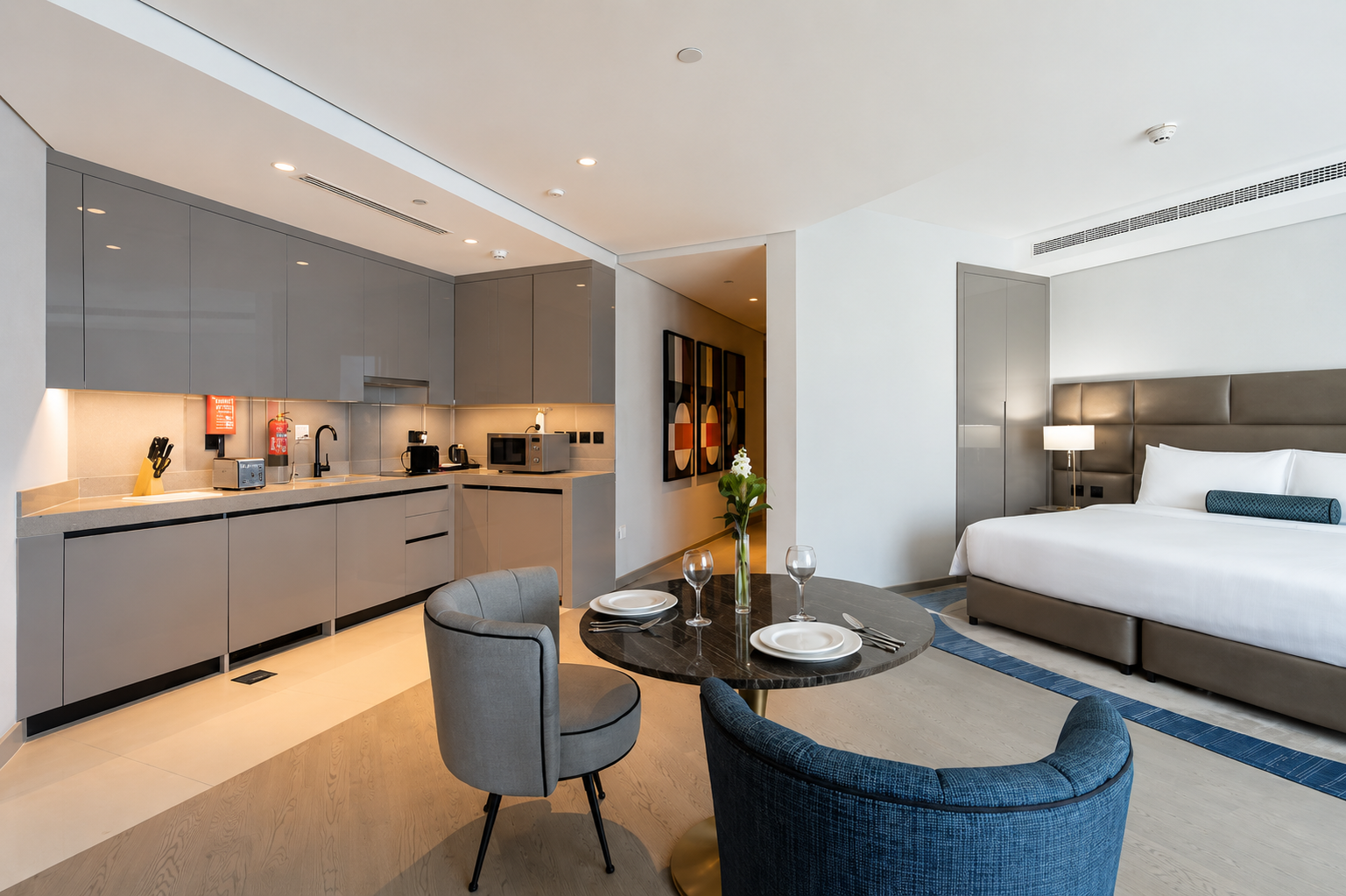
Luxury suites in Dar es Salaam with a full kitchen are not about cooking elaborate meals. They're about the breakfast that happens at 6:30 am before the driver arrives. The lunch that's a sandwich and a coffee rather than a restaurant decision. The dinner that happens in the suite on the three nights per week when going out is one thing too many after what the day involved.
The kitchen removes the restaurant dependency that the hotel room creates, the three-times-daily decision about where and what and how much, at prices that compound into a significant weekly total for the business traveller on an expense account and an even more significant one for the personal visitor paying their own way.
Serviced Suites in Dar es Salaam: The Long Stay Argument
Serviced suites in Dar es Salaam make the most sense for the stay that runs beyond ten days. The monthly rate consistently undercuts the equivalent hotel nightly rate from week two onward, add the meals that don't happen at hotel restaurant prices and the financial case is obvious well before the comfort case needs making.
The professional who has spent three weeks in a serviced suite in Dar es Salaam and then switches to a standard hotel room for the final week of the assignment describes the downgrade immediately and specifically. The space. The kitchen. The living room. The suite isn't a luxury at that point. It's the format the stay requires.
Serviced suites in Dar es Salaam also handle the family visit differently from the hotel room. The parent who has come to see a child studying in Tanzania for a month, the spouse who has joined the corporate relocation for six weeks, the suite gives them somewhere to be together that isn't the bed and the space between the bed and the wall.
Aura Suites, Dar es Salaam
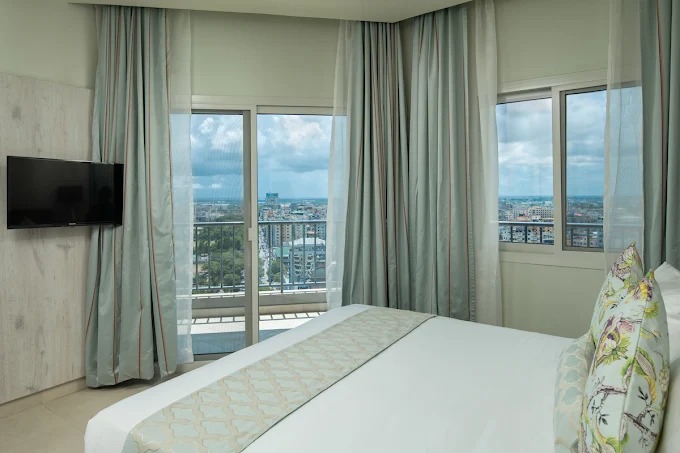
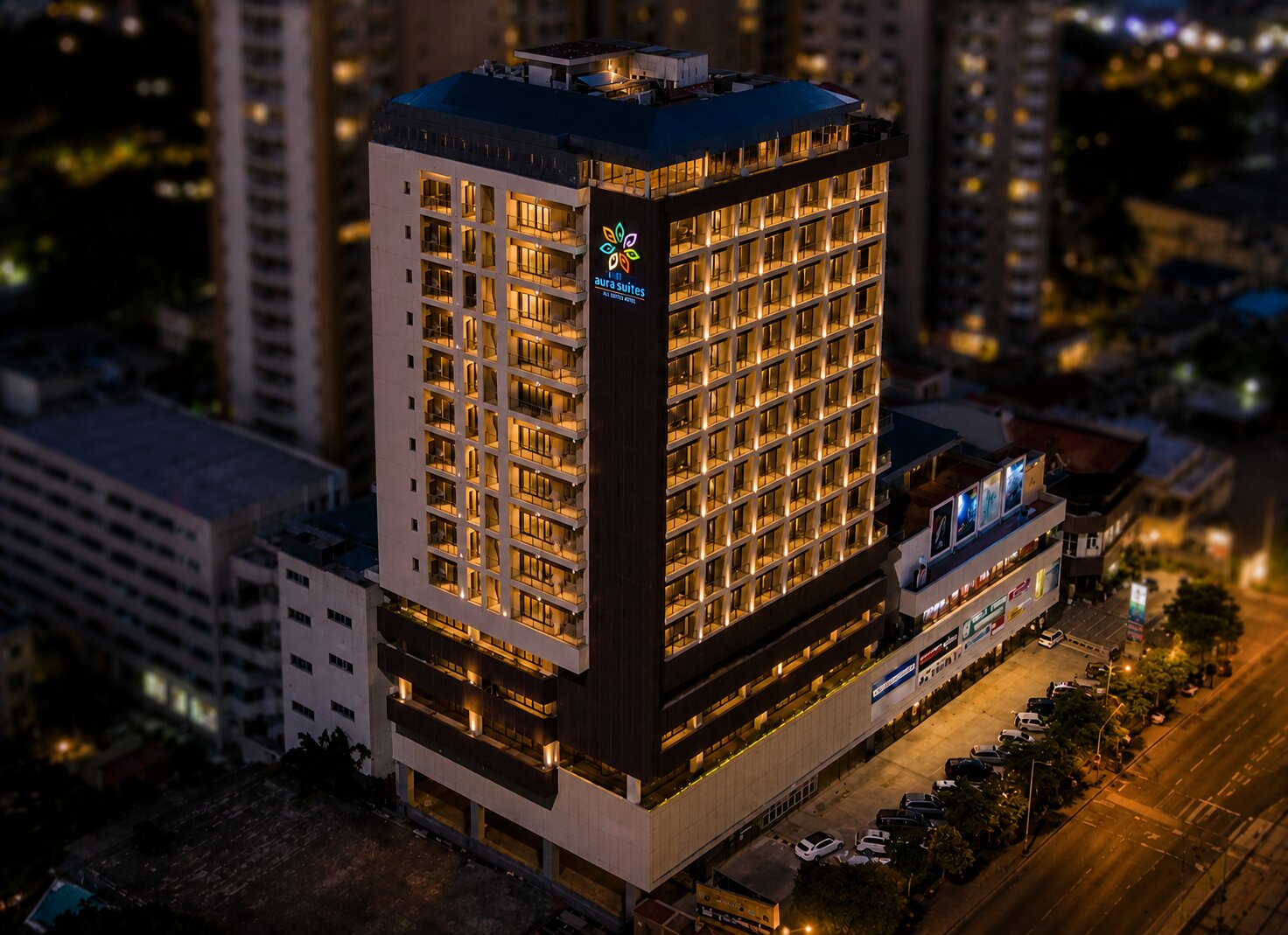
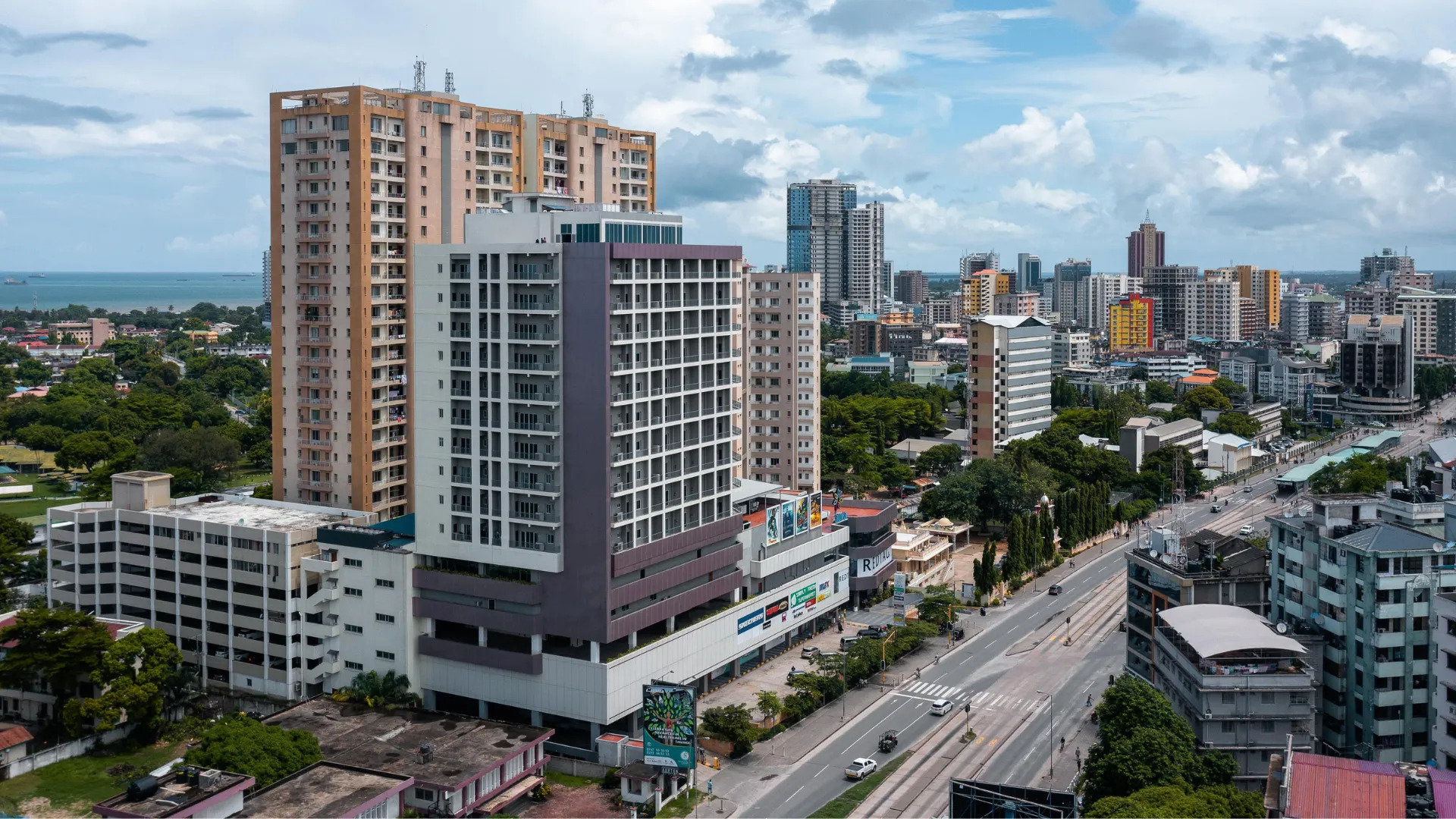
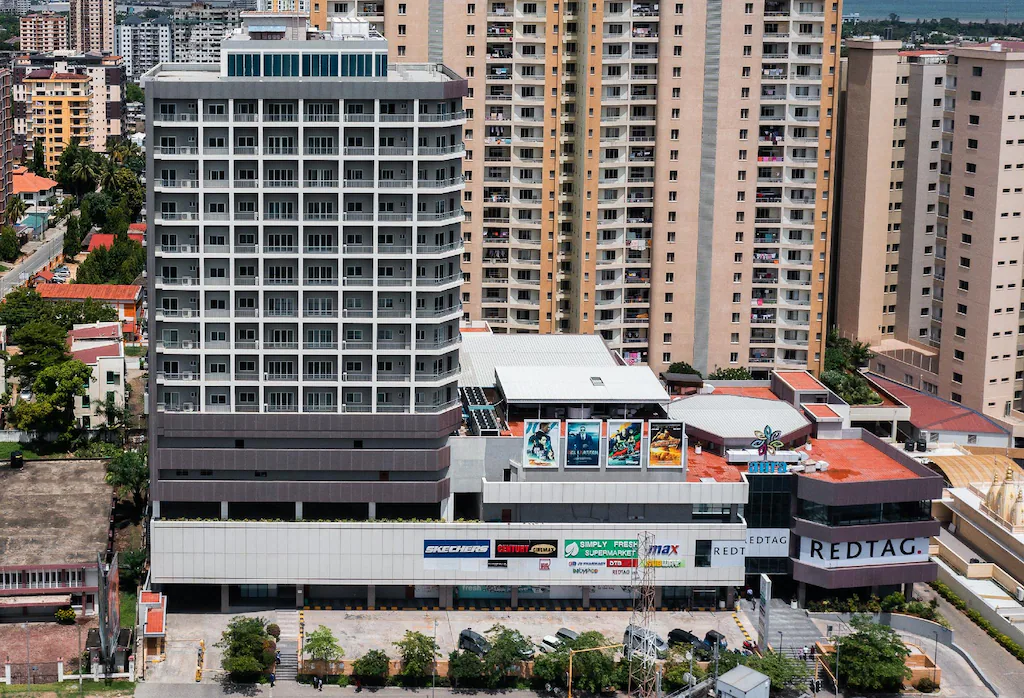
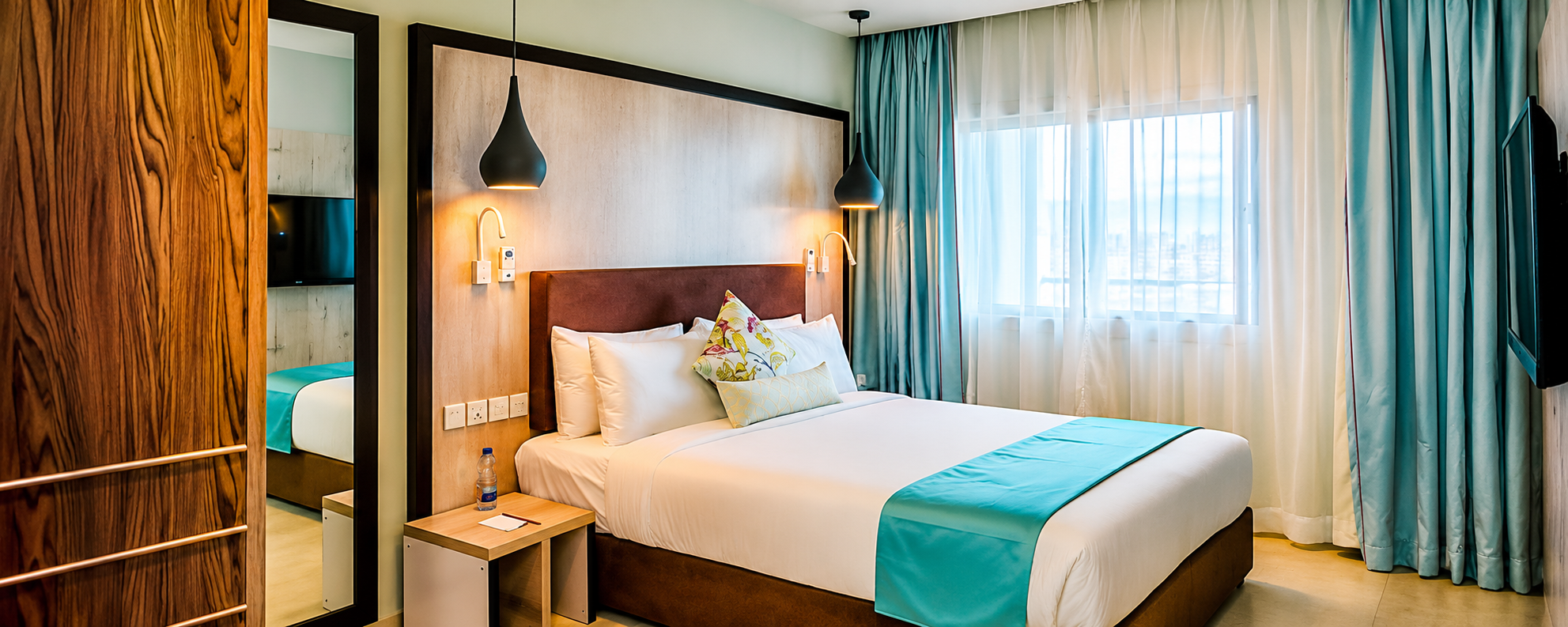
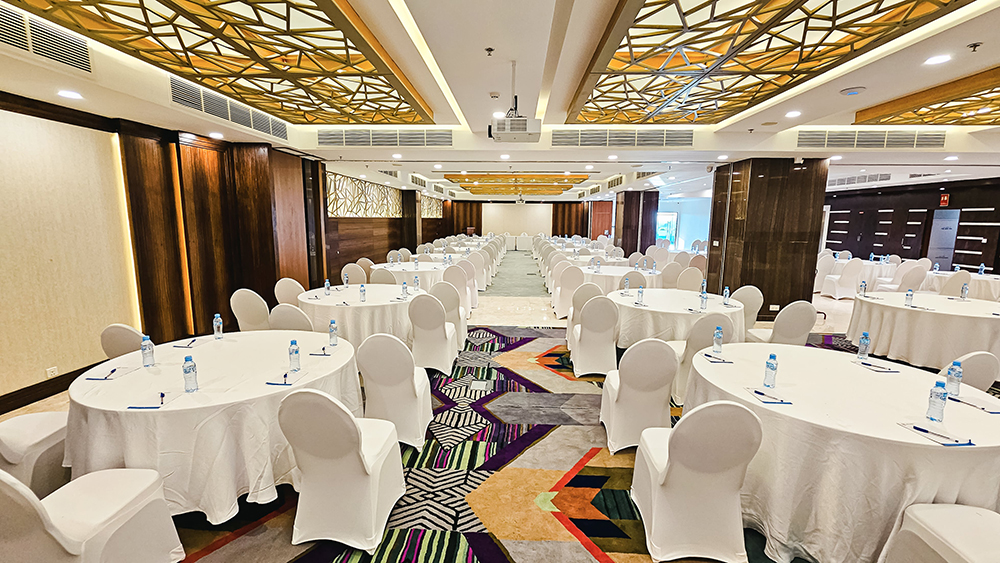
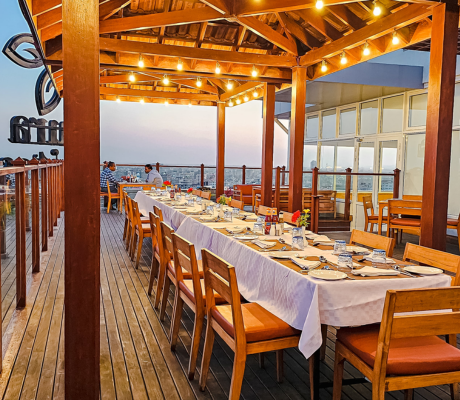
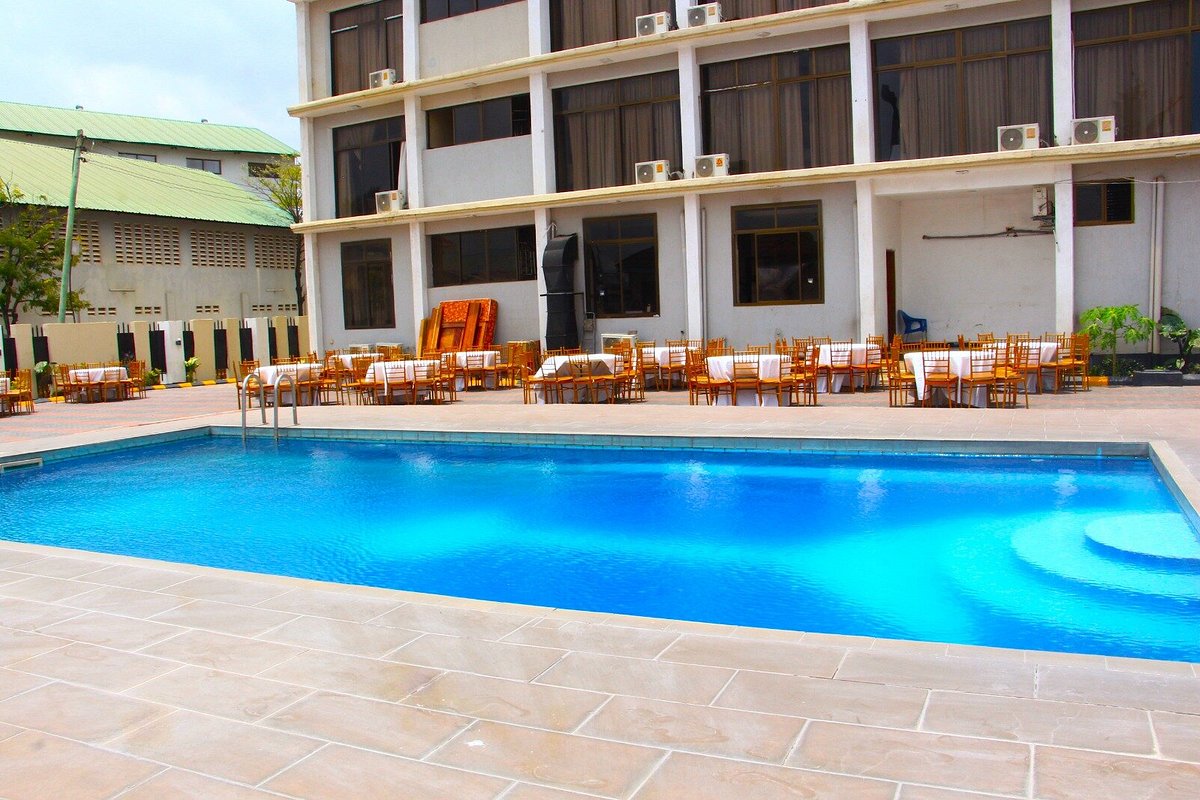
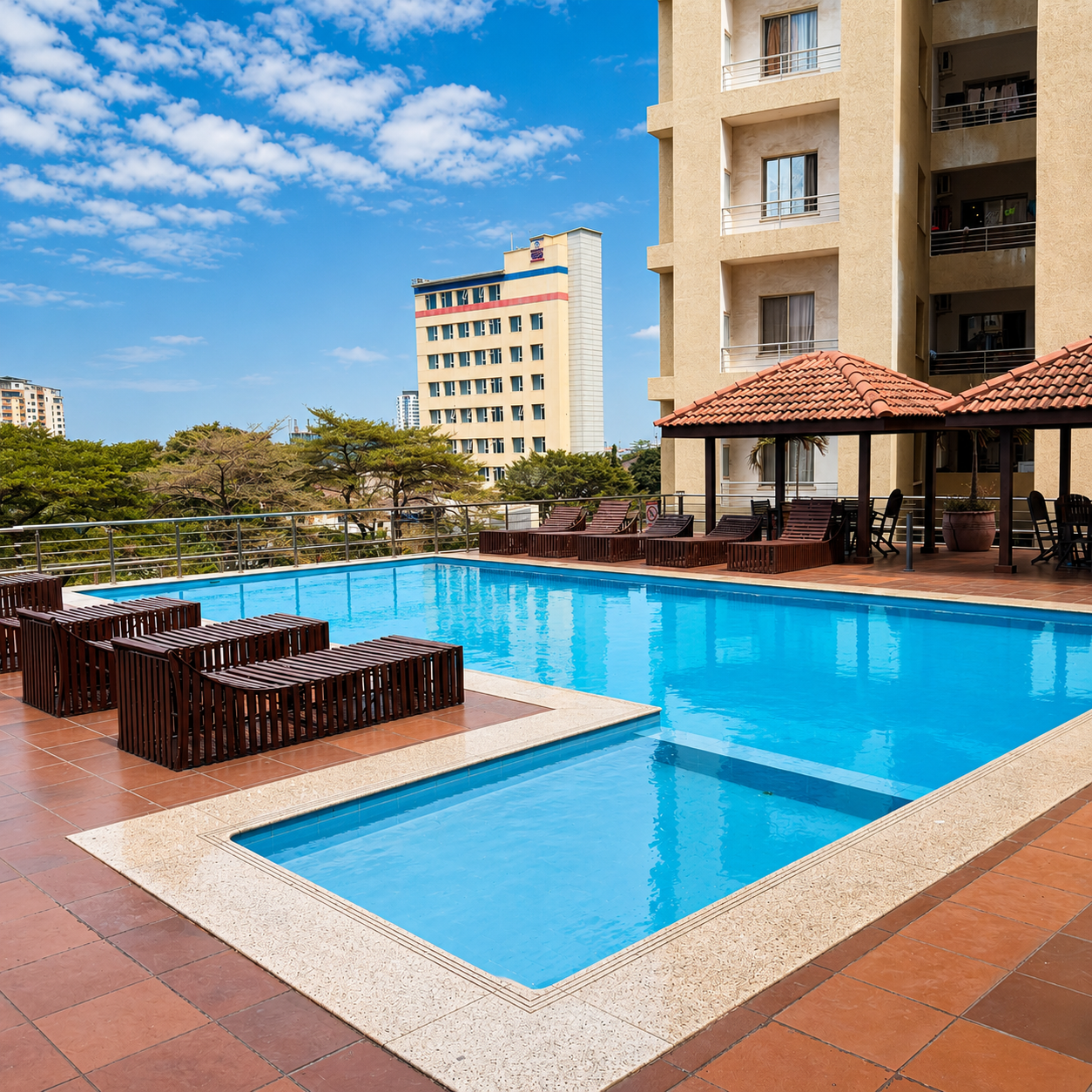
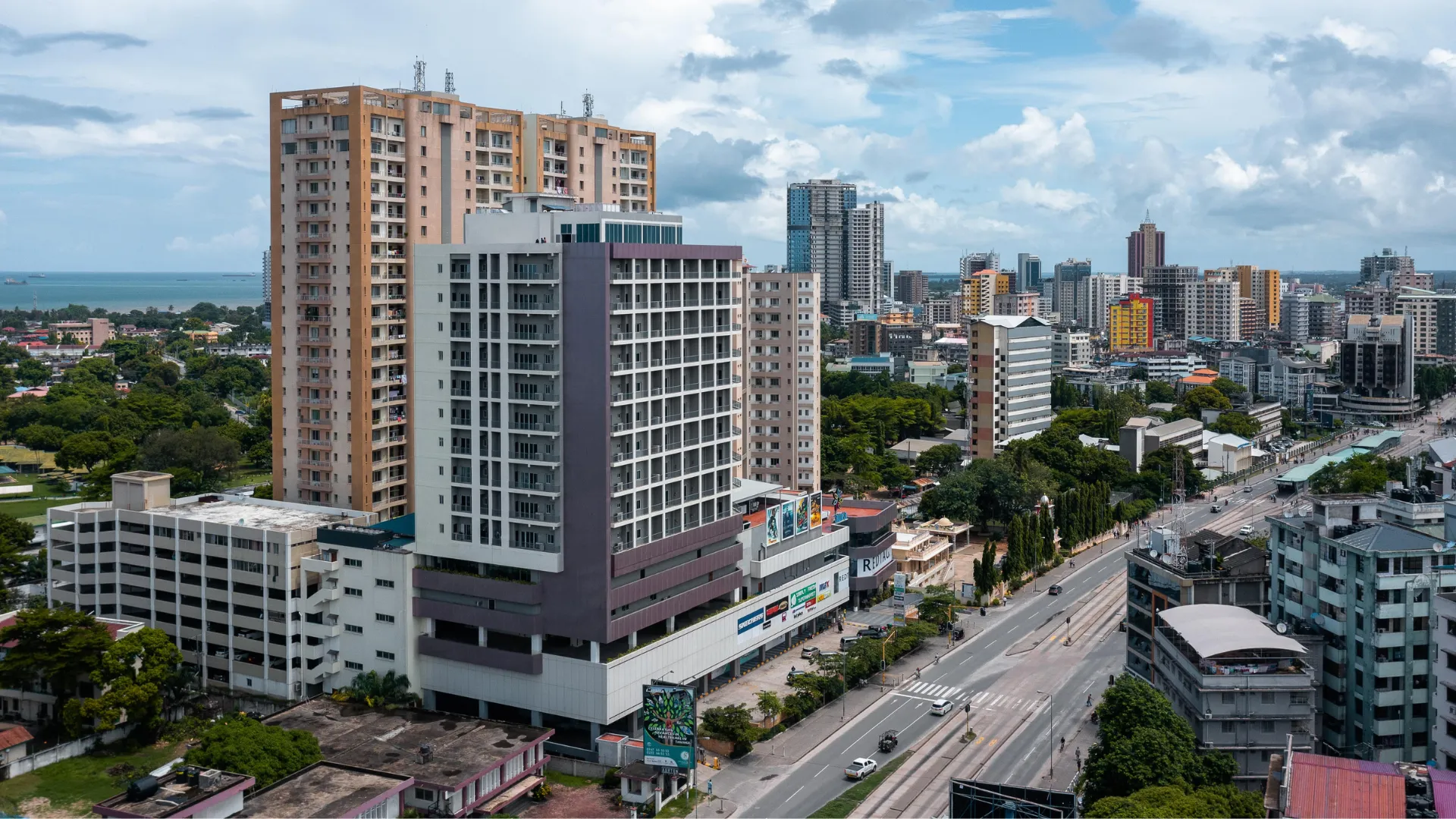
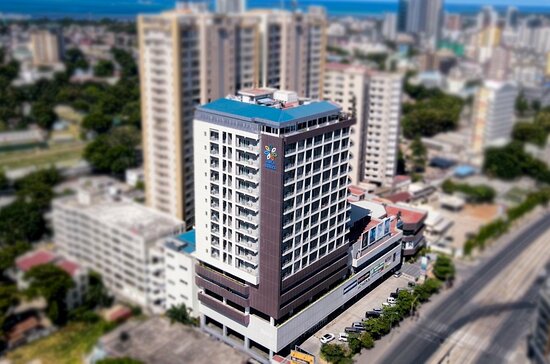
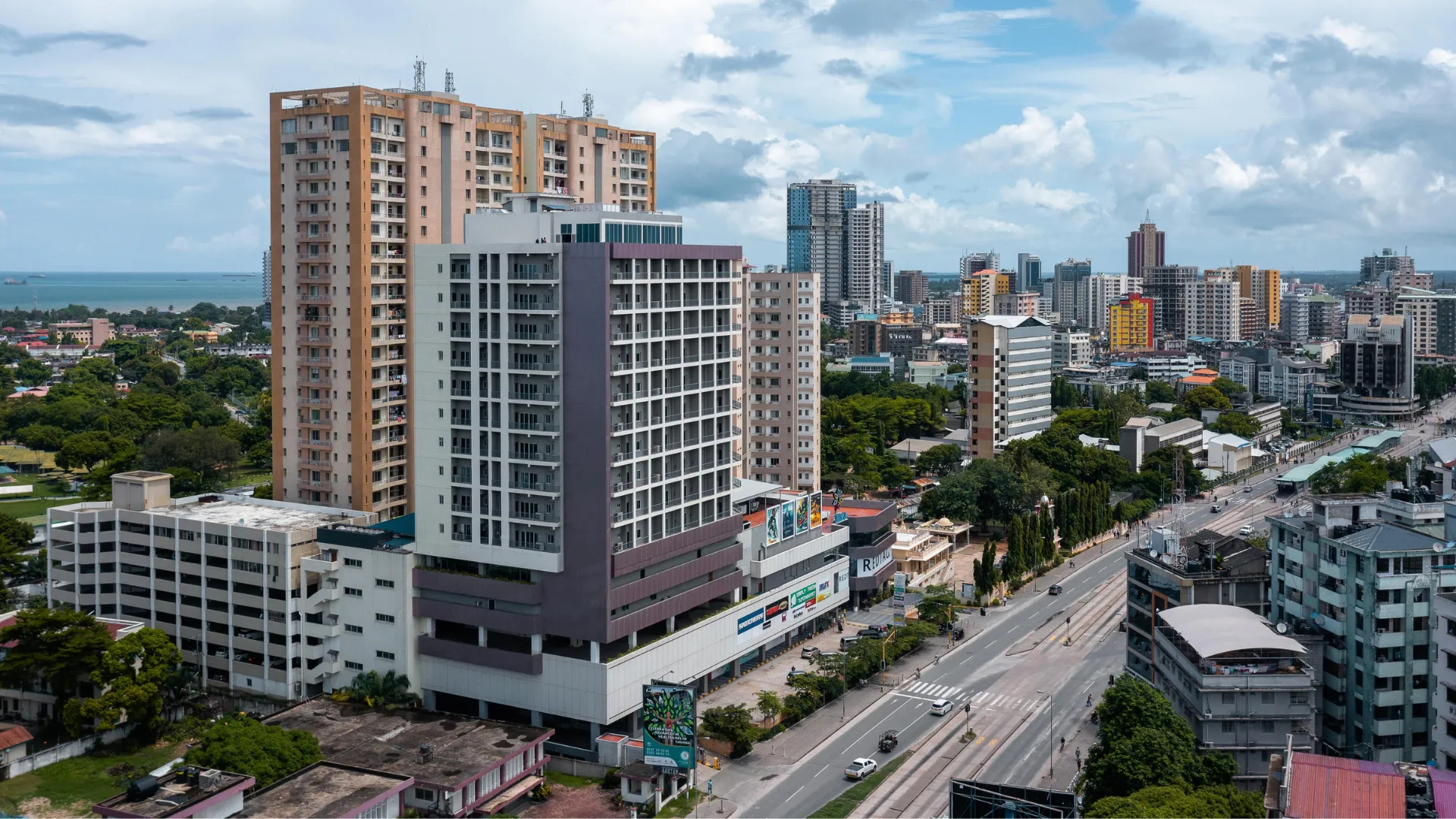
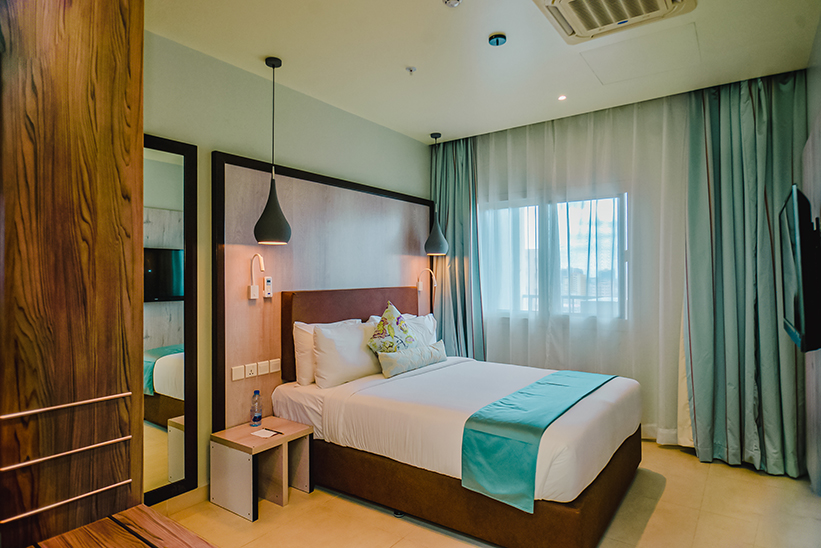
For luxury suites in Dar es Salaam that deliver the full brief, Aura Suites on Morogoro Road in Upanga is the property worth genuinely getting excited about. Around 70 suites across Deluxe at 91 square metres, Club at 115 with two bedrooms, and Platinum at 151 with three. Fully equipped kitchens, private balconies, separate living and dining areas. The Kinaya rooftop restaurant on the 16th floor with Indian Ocean views. Swimming pool, gym, 500-metre jogging track, 24-hour housekeeping, airport transfers. Serviced suites in Dar es Salaam at the level where the stay works from the first morning to the last.
FAQs
1. Are luxury suites in Dar es Salaam worth the extra cost over standard hotel rooms?
For stays beyond five nights, yes, consistently. The kitchen removes the restaurant dependency, the separate living area makes the working day sustainable across weeks rather than days, and the monthly suite rates typically undercut the equivalent hotel nightly rate from week two onward. The longer the stay, the more obvious the value calculation becomes.
2. What is the difference between a serviced suite and a hotel room?
A serviced suite provides a fully equipped kitchen, separate bedroom and living areas, and hotel-grade housekeeping and management. A hotel room provides a bed, a bathroom, and a desk if you're lucky. The suite is the format for the extended stay. The room is the format for the overnight.
3. What size suite do I need in Dar es Salaam?
For solo professionals, the Deluxe at 91 square metres covers everything the extended assignment requires. For couples or families, the Club at 115 with two bedrooms gives everyone their own space. For larger family groups or the executive whose assignment includes a lot of in-suite meetings, the Platinum at 151 with three bedrooms is the right configuration.
4. How far is the Upanga area from Dar es Salaam's business districts?
Upanga sits adjacent to the central business district, the financial sector offices, the government ministries, and the NGO headquarters that generate most of the Dar es Salaam business travel are within a short drive. The Msasani Peninsula and the Oyster Bay residential and social district are accessible in 15 to 20 minutes.
5. Is a serviced suite in Dar es Salaam suitable for families?
Specifically suited. The kitchen handles the children's meal requirements on family terms rather than the hotel restaurant's menu. The separate bedrooms give the parents and children their own space. The pool and the 500-metre jogging track handle the afternoon energy. Serviced suites in Dar es Salaam for the family visit or corporate relocation with family consistently deliver the experience that the hotel room format doesn't.